
Rsg Production

Garance

 
(Another Day)


2026

FR                   EN


Après « Pupille », chronique bouleversante du parcours de l’adoption, puis « Je verrai toujours vos visages », réflexion passionnante sur la justice restaurative, Jeanne Herry délaisse cette fois le film choral pour se concentrer sur un seul personnage. Celui de Garance, jeune comédienne vive, amoureuse et fragile, que l’on va suivre pendant huit années, entre rencontres, travail, déménagements, fêtes, amours et coups durs. Une tranche de vie qui devient progressivement le portrait d’une femme confrontée à l’alcool, mais aussi à ses propres désirs, à ses angoisses et à une véritable révolution intime.

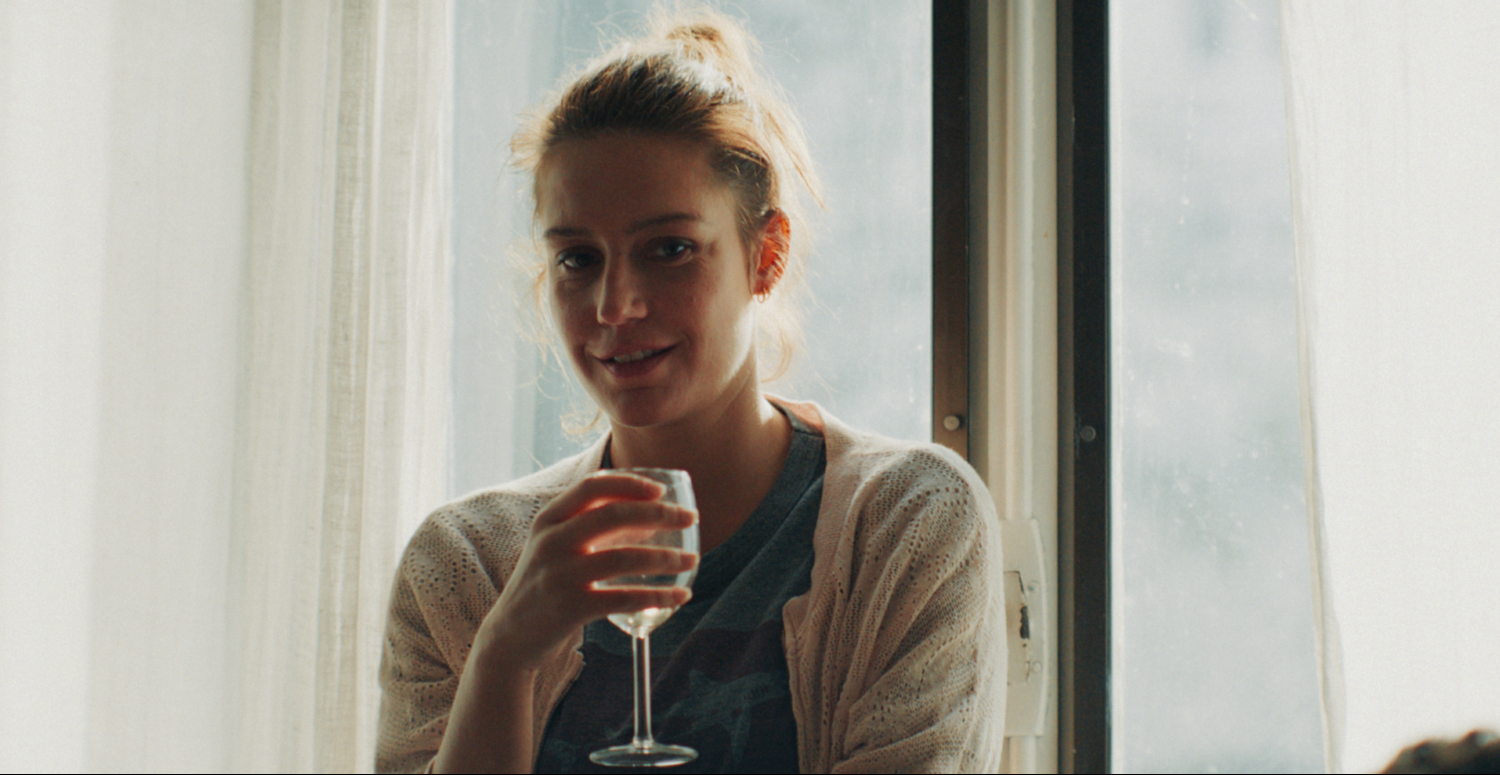
Car c’est probablement ce qui fait la singularité du film : l’alcoolisme n’est jamais présenté d’emblée comme le sujet. Garance a très souvent un verre de vin à la main, mais cela semble simplement faire partie de sa vie, de ses habitudes, de son quotidien. Elle boit comme elle travaille, aime, sort ou s’inquiète. Et pendant une bonne partie du récit, on ne sait d’ailleurs pas vraiment où Jeanne Herry veut nous emmener. Elle filme sa protagoniste dans tous les compartiments de son existence, sans chercher à expliquer pourquoi elle boit. Puis, progressivement, les conséquences apparaissent : les rôles s’espacent, les déménagements se multiplient, les relations se fragilisent et l’alcool finit par faire le vide autour d’elle.

Une approche qui permet surtout à la réalisatrice de ne jamais réduire Garance à son addiction. Sans pathos ni jugement, elle montre autant la maladie que ce qu’elle provoque chez ceux qui l’entourent : l’embarras des amis, le rejet des partenaires et des collègues, l’impuissance de la famille. Le film s’intéresse ainsi davantage aux dimensions psychologique et sociale de l’alcoolisme qu’à son mécanisme addictif, tout en évoquant au passage la précarité des intermittents du spectacle et la fragilité particulière d’un milieu où la sensibilité peut être à la fois une force et une faiblesse.
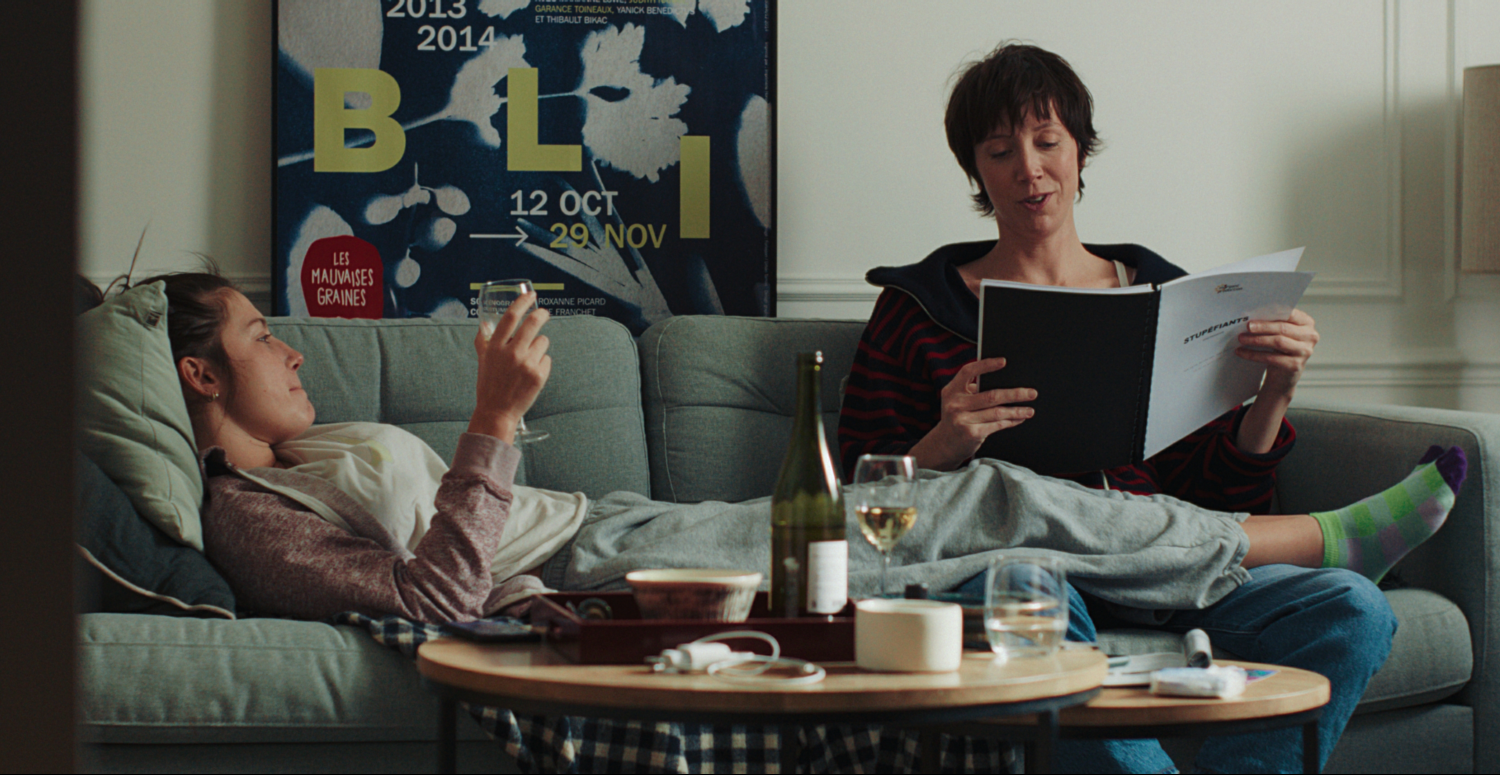
Jeanne Herry poursuit finalement son cinéma en racontant un nouveau parcours de combattante derrière des sujets de société où elle filme autant des êtres humains dans leur complexité que des êtres au travail. Autour d’Adèle Exarchopoulos, impeccable dans un rôle qui lui offre une large palette émotionnelle, la distribution secondaire est également remarquable, notamment au gré d’une (avec Sara Giraudeau) qui va progressivement ouvrir une nouvelle voie de reconstruction. Une fois le problème véritablement établi, la trajectoire devient plus claire et la résilience parfois un peu écrite d’avance. Mais les qualités d’écriture et la finesse du regard sur les rapports humains empêchent toujours le film de tomber dans le film-dossier.

« Garance » est donc avant tout un beau portrait de femme, une histoire de chute mais surtout de reconstruction, qui préfère regarder voire son verre de vin à moitié plein et boire la vie cul sec.

Raphaël Sallenave

 

Following “In Safe Hands”, a deeply moving chronicle of the adoption journey, and then “All Your Faces”, a fascinating exploration of restorative justice, Jeanne Herry this time moves away from ensemble films to focus on a single character. We follow Garance, a lively, romantic, and fragile young actress, over the course of eight years, through her encounters, work, moves, parties, romances, and setbacks. This glimpse into her life gradually becomes a portrait of a woman grappling not only with alcohol but also with her own desires, anxieties, and a profound personal journey.

Because that’s probably what makes the film so unique: alcoholism is never presented right away as the central theme. Garance very often has a glass of wine in her hand, but it simply seems to be part of her life, her habits, her daily routine. She drinks just as she works, loves, goes out, or worries. And for much of the story, we don’t really know where Jeanne Herry is taking us. She films her protagonist in every aspect of her life, without trying to explain what makes her drink. Then, little by little, the consequences become apparent: jobs become scarce, she moves from place to place, relationships fray, and alcohol eventually drives everyone away from her.

Above all, this approach allows the director to never reduce Garance to her addiction. Without pathos or judgment, she depicts not only the illness itself but also its impact on those around her: the embarrassment of friends, the rejection of partners and colleagues, and the helplessness of the family. The film thus focuses more on the psychological and social dimensions of alcoholism than on its addictive process, while also touching on the precarious situation of freelance artists and the particular fragility of a community where sensitivity can be both a strength and a weakness.

Jeanne Herry ultimately continues her cinematic journey by chronicling yet another struggle through social issues, where she captures both the complexity of human beings and human beings in the workplace. Centered around Adèle Exarchopoulos, who is spot-on in a role that offers her a wide emotional range, the supporting cast is also remarkable – particularly through a character (played by Sara Giraudeau) who gradually paves a new path toward healing. Once the underlying problem is truly established, the narrative trajectory becomes clearer, and the character’s resilience feels, at times, a bit predictable. Yet the quality of the writing and the subtle insight into human relationships prevent the film from ever devolving into a mere statement piece.

“Garance” is, above all, a beautiful portrait of a woman, a story of a fall but, more importantly, of rebuilding, one that chooses to see the glass of wine half full and drink life to the last drop.

Raphaël Sallenave

Je verrai toujours vos visages
The Outrun