
L’inconnue
(The Unknown)
2026
FR EN
Et si nous changions de corps de façon inattendue ? C’est ce qui arrive à David qui, un matin, se réveille dans le corps d’une parfaite inconnue. Relevant du réalisme fantastique, « L’Inconnue » nous plonge dans les abîmes de la métempsychose, où ce que l’on pense être notre enveloppe charnelle définitive ne l’est pas. Si la thématique du changement de corps n’est pas nouvelle, l’approche adoptée dans cette adaptation d’un roman graphique est néanmoins novatrice et marquante.
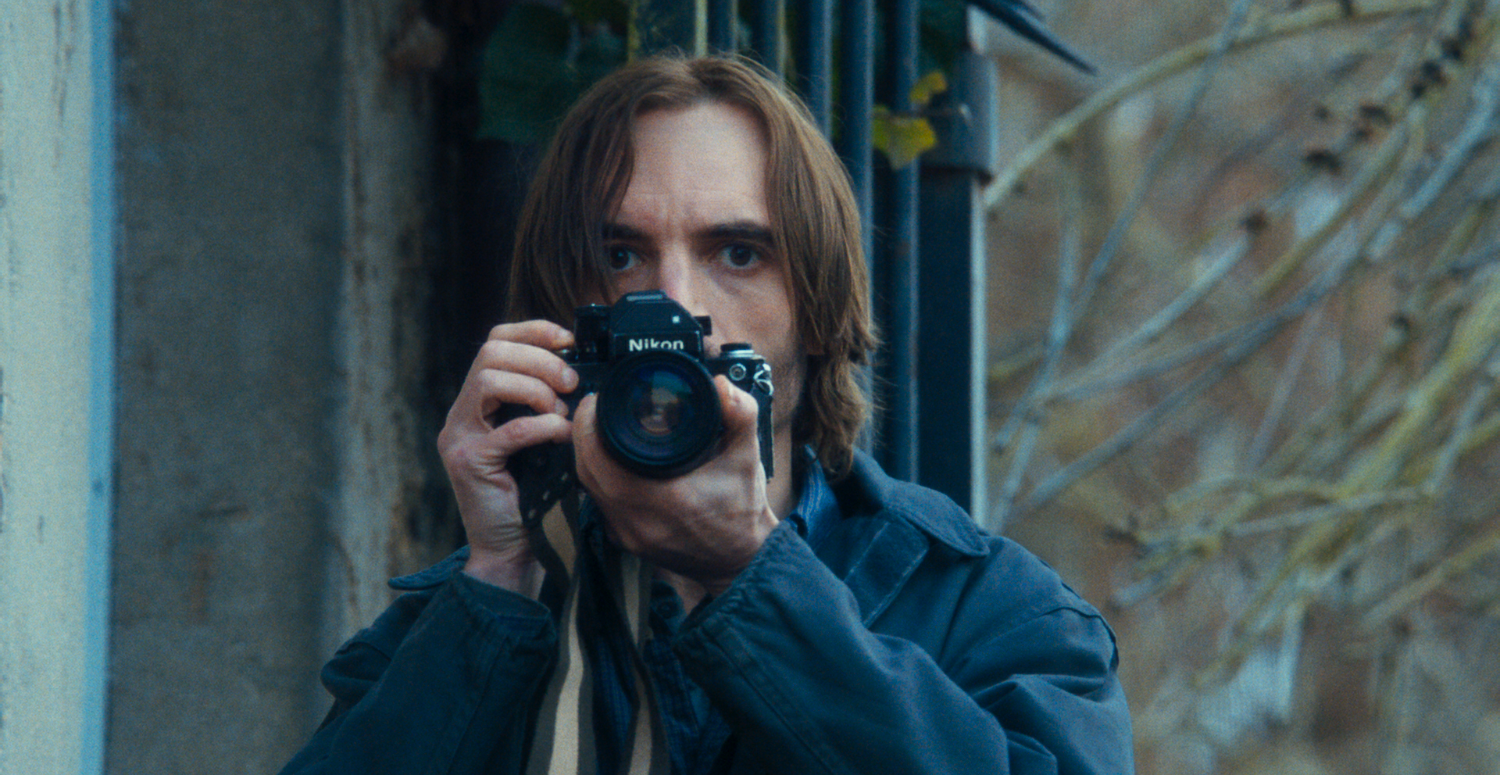
Déjà parce que le film instaure dès ses premières minutes une sensation de décalage, une impression de surréel que partagent les personnages. David, en particulier, est taciturne et renfermé ; l’on sent derrière son silence (et son objectif) le poids de sa mélancolie, née d’un monde qui ne lui convient pas. Les rôles secondaires ne sont d’ailleurs pas non plus en reste face à cette triste étrangeté qui les traverse. Les performances des actrices et acteurs sont ainsi à acclamer, notamment celles de Léa Seydoux et surtout de Niels Schneider – ce dernier jouant, de fait, deux personnalités diamétralement opposées jusque dans leur dégaine et leur élocution.
Mais outre ces superbes interprétations, « L’Inconnue » trouble pour son atmosphère flottante. Il y a un brouillage, temporel, corporel, identitaire, hallucinatoire, dont on ne sort jamais. Les angoissants leitmotivs au piano composés par Andrea Poggio ponctuent ainsi une intrigue où le temps est elliptique et dilaté ; car en effet le montage est d’une fluidité telle que l’on passe naturellement du rêve au [sur]réel, d’une période à une autre, sans que les couleurs ne deviennent autre chose que ternes, et sans que les personnages n’évoluent vraiment.
Cependant, si ces derniers finissent par plus ou moins accepter leurs nouveaux corps, il reste une infinité de questions. Car « L’Inconnue » est conçu pour laisser place à une myriade d’interprétations, notamment sur le processus de transmigration à l’œuvre dans l’histoire. Mais il fait aussi profondément réfléchir sur notre rapport à l’impossible, à l’altération, à la mémoire, à la vanité, à l’éternité et logiquement à notre propre reflet. Et c’est vertigineux.
Axel Chevalier
What if we suddenly found ourselves in someone else’s body? That’s exactly what happens to David, who wakes up one morning in the body of a complete stranger. A work of magical realism, “The Unknown” takes us deep into the depths of metempsychosis, where what we think is our definitive physical form is not. While the concept of body-swapping is not new, the approach taken in this adaptation of a graphic novel is nonetheless innovative and striking.
For one thing, the film establishes, right from the opening minutes, a sense of dissonance – a surreal atmosphere shared by the characters. David, in particular, is taciturn and withdrawn; behind his silence (and his camera lens), we sense the burden of his melancholia, born of a world that doesn’t suit him. The supporting roles are no exception when it comes to this sad strangeness that pervades them. The performances of the actors and actresses are therefore to be applauded, particularly those of Léa Seydoux and, above all, Niels Schneider – the latter, in fact, playing two personalities who are diametrically opposed even in their mannerisms and speech.
But beyond these outstanding performances, “The Unknown” is unsettling for its ethereal atmosphere. There is a sense of disorientation – temporal, physical, identity-related, hallucinatory – from which one never escapes. The haunting piano motifs composed by Andrea Poggio punctuate a plot in which time is elliptical and stretched out; indeed, the editing is so fluid that we move naturally from dream to [sur]reality, from one period to another, without the colors ever becoming anything but dull, and without the characters ever truly evolving.
However, even if the characters eventually come to more or less embrace their new bodies, countless questions remain. For “The Unknown” is designed to leave room for a plethora of interpretations, particularly regarding the process of transmigration at work in the story. But it also prompts deep reflection on our relationship to the impossible, to change, to memory, to vanity, to eternity, and, naturally, to our own reflection. And it’s mind-boggling.
Axel Chevalier