Un jour avec mon père
My Father’s Shadow
Mention Spéciale (Caméra d’Or) – Cannes
Special Mention – Chicago
Premio Rampa (Young Director) – Sevilla
Best Debut – BAFTA
Best Director – BIFA
2026

FR EN
Avec son premier film, l’artiste anglo-nigérian Akinola Davies Jr. livre une belle histoire intime qui s’imbrique dans le fil d’une atmosphère politique historique.
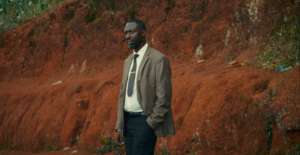
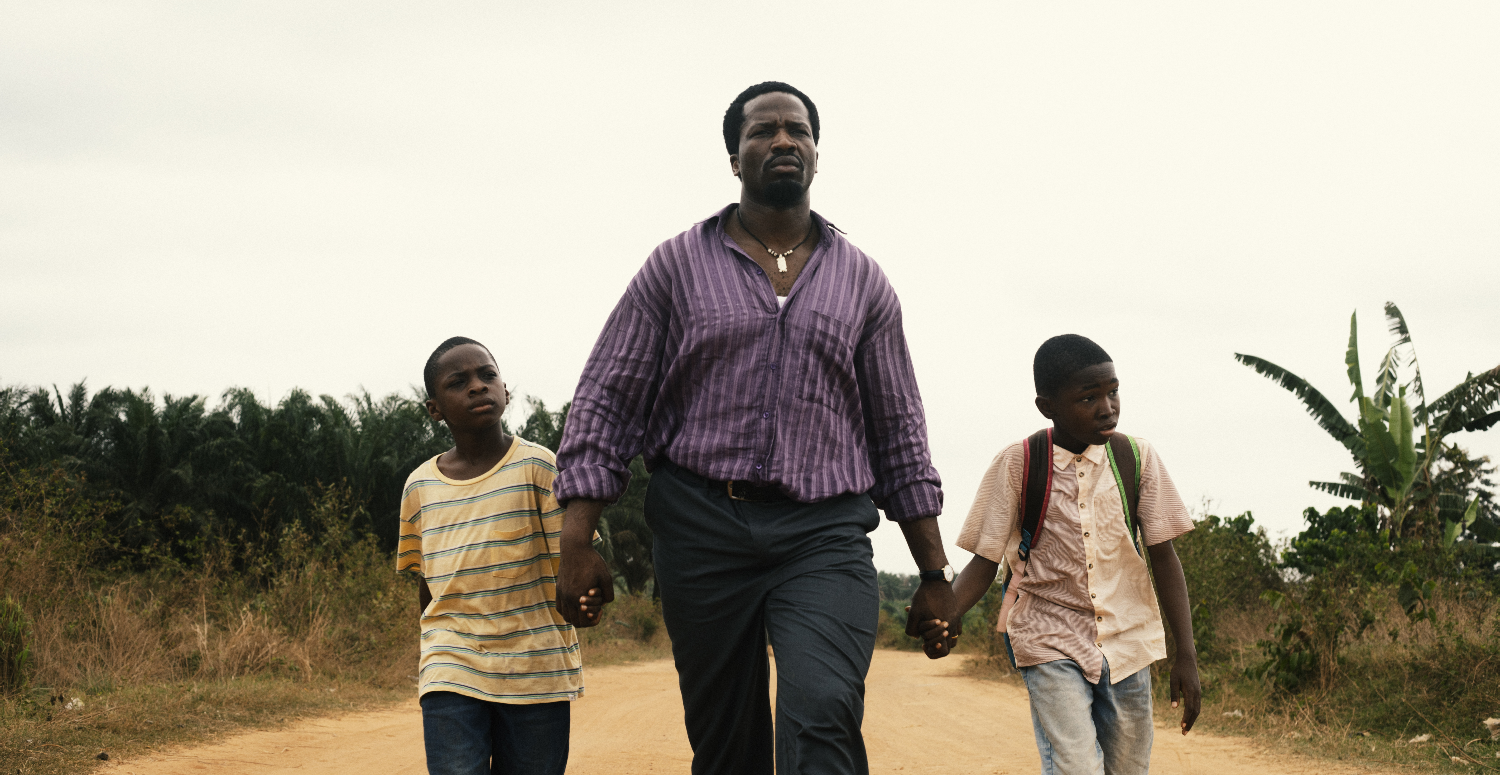
Alors que l’ennui les dévore, deux fils accompagnent leur père à Lagos, mais ce qui devait être une journée historique pour le peuple nigérian se transforme en un coup d’état. Les militaires refusent de laisser le pouvoir, entraînant la ville dans le chaos. Folarin tente alors de quitter la mégalopole avec ses fils.
Avec « Un jour avec mon père », Akinola Davies Junior signe une mise en scène à la fois poétique et documentaire dont le style évoque par moments la liberté graphique d’un Barry Jenkins ou d’un Terrence Malick.
La direction d’acteurs et la distance qu’il prend avec ses sujets offrent une impression documentaire forte. Un travail du point de vue pensé aussi bien au niveau artistique que de production. Un réalisme historique retranscrit ici à travers les archives télévisées et par un subtil travail sur le son. Un véritable travail du hors-champ qui offre au film toute sa puissance dramatique. Une œuvre singulière qui déroule le temps dans une narration arythmique.
Sacha Garcia
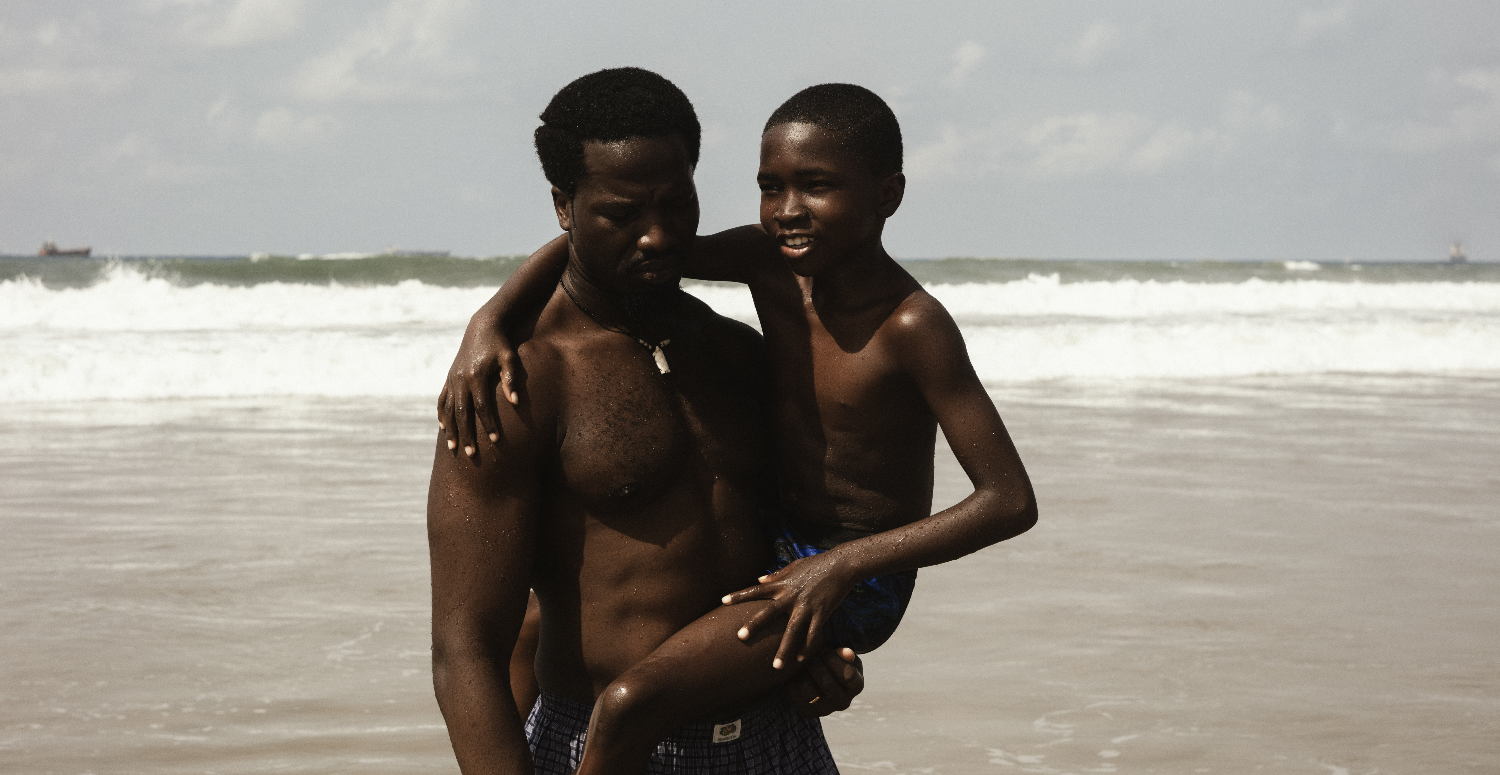
Porté par un Ṣọpẹ́ Dìrísù pénétrant et deux jeunes acteurs au jeu électrisant, « Un jour avec mon père » propose une fascinante immersion sensorielle et onirique, à la frontière entre des chroniques d’un jour heureux, des bribes d’un rêve fiévreux et des fragments de passé tortueux. Construit de façon singulière, le long-métrage a cette capacité à nous absorber tout entiers dans un monde à la fois personnel et partagé : celui d’une famille, celui d’une grande ville, celui d’une société habile car fragile. À travers le simple regard éveillé et justement éparpillé de deux frères, l’on en apprend ainsi presque plus sur un pays en une heure et demie de film qu’en journées de lectures, sans pour autant perdre le fil d’une trame douce-amère et dure, tant sur le plan domestique que sur le plan historique.
Axel Chevalier
In his debut film, Anglo-Nigerian filmmaker Akinola Davies Jr. delivers a beautiful, intimate story woven into the fabric of a historic political atmosphere.
As boredom sets in, two sons accompany their father to Lagos, but what was supposed to be a historic day for the Nigerian people turns into a coup d’état. The army refuses to hand over power, throwing the city into chaos. Folarin then attempts to leave with his sons.
With “My Father’s Shadow”, Akinola Davies Jr. crafts a film that is both poetic and documentary in style, at times evoking the visual freedom of a Barry Jenkins or a Terrence Malick.
His direction of the actors and the distance he maintains from his subjects create a strong documentary feel. A work whose perspective is carefully considered on both artistic and production levels. Historical realism is conveyed here through television archives and subtle sound design. A true off-screen effort that gives the film all its dramatic power. A unique work that unfolds time in a non-rhythmic storytelling fashion.
Sacha Garcia
…
Driven by a powerful Ṣọpẹ́ Dìrísù and two young actors whose performances are electrifying, “My Father’s Shadow” offers a fascinating sensory and dreamlike immersion, straddling the line between chronicles of a happy day, snippets of a feverish dream, and fragments of a troubled past. Uniquely crafted, the feature film has the ability to draw us completely into a world that is both personal and shared: that of a family, that of a big city, that of a society that is both resourceful and fragile. Through the simple, alert, and aptly scattered gaze of two brothers, we learn almost more about a country in an hour and a half of film than in days of reading, without ever losing the thread of a bittersweet and harsh narrative, both on the family level and the historical one.
Axel Chevalier