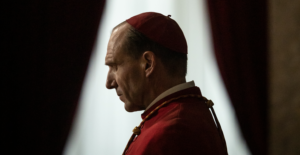
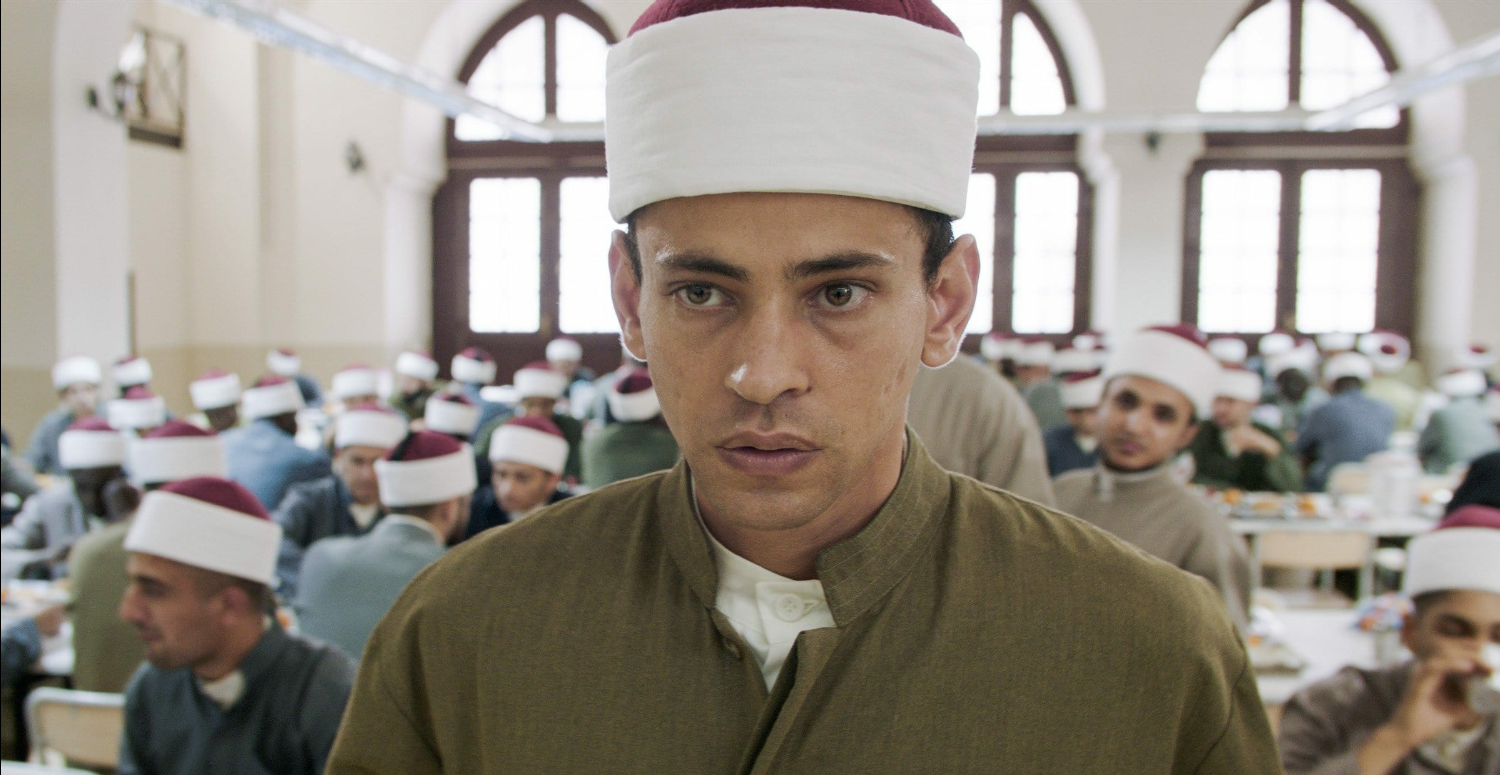
Fils de pêcheur, Adam se voit un jour offrir une bourse pour partir au Caire étudier dans la prestigieuse université Al-Azhar fondée par les Fatimides et devenue un haut lieu de l’islam sunnite depuis la prise de pouvoir de Salah-ad-Din. Lorsque le Grand Imam, plus haute autorité de l’islam sunnite, meurt soudainement, le Conseil des Oulémas se réunit pour élire un nouvel Imam. Mais de l’autre côté de la rue, la Sûreté de l’Etat s’en mêle et veut placer un cheikh inféodé. S’engage alors une partie d’échecs entre les élites politiques et religieuses dans laquelle Adam se retrouve pris malgré lui mais où il ne jouera pas seulement un pion …
Après le très remarqué « Le Caire Confidentiel » – et une brève excursion américaine avec « The Contractor » – Tarik Saleh revient avec un thriller mêlant politique et religion tout en continuant son auscultation de la société égyptienne en nous faisant cette fois visiter les arcanes d’un lieu très secret. Mais s’agit-il vraiment d’un nom de la rose arabo-musulmane ? La réponse est multiple car le Prix du Meilleur scénario 2022 à Cannes est plus audacieux et courageux que l’œuvre d’Umberto Eco dans la mesure où elle s’attaque à une situation actuelle avec des conséquences bien plus tangibles que l’exposition de la vérité historique qu’était l’Inquisition. Le réalisateur suédois d’origine égyptienne dénonce en effet à la fois des politiques corrompus et des religieux hypocrites en dressant le portrait d’un État autoritaire qui manœuvre dans l’ombre et se mêle de religion ainsi que d’une université divisée et flirtant dangereusement avec le salafisme. Il ne s’attaque en revanche ni à l’Égypte ni à l’Islam mais bien à un système partagé par la politique et la religion.
Cette coproduction suédo-finno-franco-danoise porte donc un sujet passionnant et méconnu car non seulement rarement traité mais surtout qui est définitivement d’actualité puisque dès sa prise de pouvoir le Maréchal al-Sissi se confronta à l’institution Al-Azhar après avoir dissout les Frères Musulmans. Le conflit entre les chefs politique et religieux de l’Égypte devint public et constitue ainsi un contexte particulièrement réaliste pour l’intrigue de ce film. C’est par conséquent une œuvre riche et très singulière à forte dimension didactique et analytique. Néanmoins, dans son adoption du genre thriller « La Conspiration du Caire » ne se révèle pas autant stimulant et étouffant que ce que l’intrigue pouvait laisser suggérer.
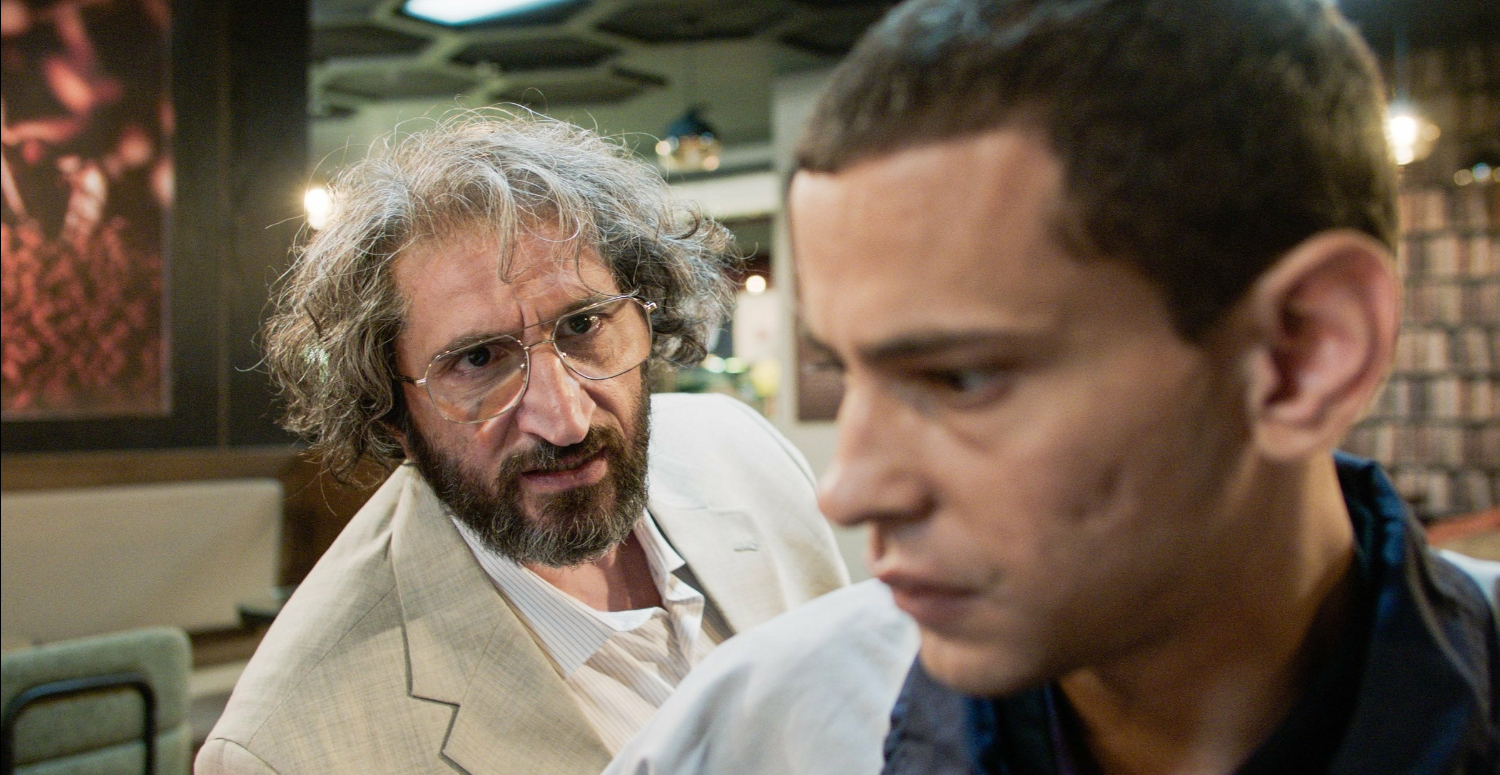
Malgré quelques très beaux plans et des interprétations particulièrement convaincantes des acteurs avec en tête l’israélien Tawfeek Bahrom et du libanais Fares Fares, la réalisation peine quelque peu à installer une atmosphère de tension et de suspense. L’intrigue s’éloigne progressivement du récit d’infiltration pour plonger dans un film de prison. Les jeux de pouvoir ne sont par moments pas suffisamment développés comme en témoigne la scène du coup final d’échec et mat faisant basculer l’intrigue mais manquant de clarté et de narration pour être véritablement percutante. On a bien l’impression d’être dans les coulisses d’Al-Azhar et l’on ressent bien la menace de la Sûreté de l’État mais on ne sent pas le protagoniste véritablement enfermé dans un labyrinthe d’enjeux de pouvoir. Les personnages secondaires manquent probablement un peu de profondeur pour qu’on soit plus investi dans leurs différents intérêts.
Tarik Saleh combine en revanche avec efficacité le récit d’apprentissage où le départ du village pour suivre des études représente de grands enjeux, avec l’intrigue policière où Al-Azhar doit encore et comme toujours coexister avec le pouvoir politique en place. Ce n’est donc pas qu’une histoire de jeux de pouvoir : c’est aussi un voyage initiatique où le savoir représente le pouvoir. En cela, « La Conspiration du Caire » est un très bon film mais dont la dimension thriller ne déploie pas tout son potentiel. Au final, c’est un film bien plus intéressant que palpitant, mais il vaut définitivement le coup d’œil !
Raphaël Sallenave