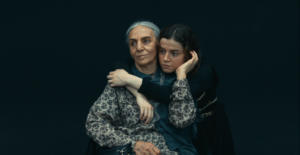
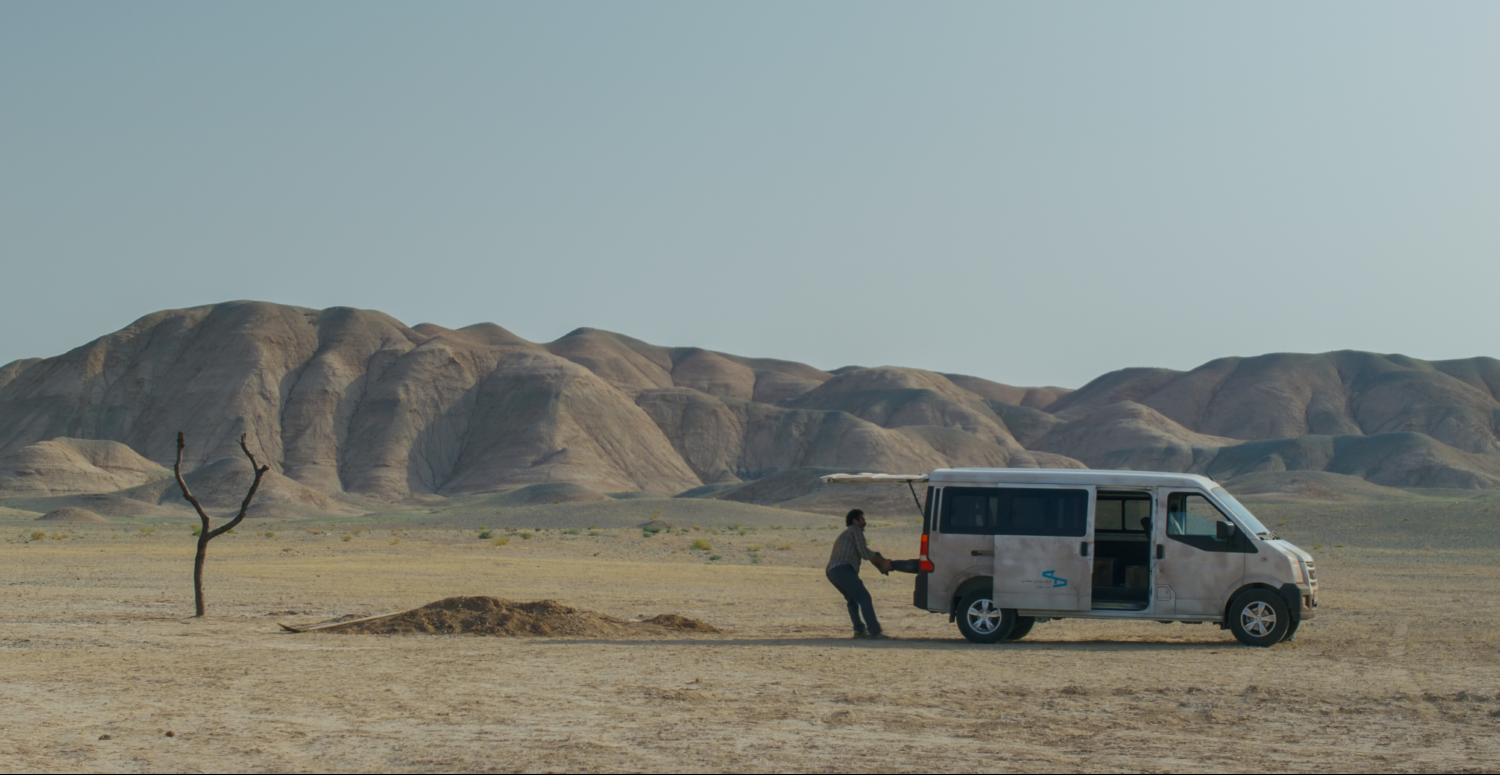
Après quinze années de cinéma rebelle en Iran au gré de multiples arrestations, assignations à résidence, interdictions de quitter le territoire et censure de tournage, Jafar Panahi recevait en mai dernier la prestigieuse Palme d’Or du festival de Cannes pour « Un Simple Accident ». Différent de ses précédentes expériences cinématographiques mêlant documentaire et autofiction, mais toujours tourné clandestinement, ce nouveau film marque un retour à la fiction traditionnelle pour le cinéaste iranien dans une histoire empreinte du récit de ses compagnons d’infortune lors de son dernier séjour à la prison d’Evin en 2022.
A travers une simple rencontre fortuite, puis une prise de décision irrépressible, un banal trajet de voiture mène à un vertigineux engrenage où, le doute s’installant, laisse place à une quête de vérité et de réparation auprès d’une galerie de personnages venant de tous les horizons sociaux. A partir d’un prologue dans la pénombre du polar, l’intrigue évolue alors vers les routes cahoteuses d’un improbable road-movie sur un petit tribunal itinérant offrant un beau portrait de personnages dont la variété démontre à elle seule l’ampleur du muselage social du régime iranien. Dans une excellente narration, quasiment en temps réel, toujours très fluide, et qui dès le départ change de protagoniste pour renseigner juste suffisamment le spectateur, « Un Simple Accident » tisse ainsi un habile mélange de gravité, de suspense et d’humour – car oui pour une fois chez Panahi, c’est véritablement un film drôle.
C’est en fait un faux film de vengeance qui mélange donc les tons d’un second acte proprement comique à un troisième bien plus cathartique. C’est une farce qui n’hésite pas à s’aventurer dans un absurde beckettien, une virulente charge politique bien sûr contre le régime, et un conte moral questionnant les désirs de vengeance & de justice sur fond de traumatismes physiques & psychologiques et d’infinis cercles de violences. A la fois léger, haletant et tragique, c’est une œuvre de blessures, un film de haine, un pamphlet de pardon.

Ce mélange des tons repose sur une prouesse de mise en scène sous contrainte dans un tournage sans autorisation, avec beaucoup de plans de nuit ou de plans dans les voitures, et peu dans des rues bondées. Panahi laisse alors beaucoup la caméra tourner, dans un style minimaliste mais élégant et précis où les acteurs sont laissés très libres avec de très longs dialogues tournés dans de formidables plans-séquence. Il joue ainsi beaucoup des plans fixes, de l’éclairage – notamment lors d’une confrontation nocturne nimbée du rouge d’un phare vengeur – et des sons, que ce soit lors d’un premier acte quasiment sans dialogue jouant sur les interrogations du spectateur ou d’un magnifique plan final plein d’une tension nous laissant sans voix.
Avec « Un Simple Accident », Jafar Panahi signe donc ici non seulement son meilleur film, mais rentre dans le cercle très fermé des réalisateurs ayant remporté le ‘grand chelem’ avec le Lion d’Or pour « Le Cercle » (2000), l’Ours d’Or pour « Taxi Téhéran » (2015) et désormais la Palme d’Or dans les trois plus prestigieux festivals européens. Et cette seconde Palme d’Or pour l’Iran après celle d’Abbas Kiarostami en 1997, aura de plus l’honneur de représenter la France aux prochains Oscars du fait qu’il s’agisse d’une production évidemment étrangère, et majoritairement française grâce au travail de Philippe Martin des Films Pelléas …
Raphaël Sallenave
After fifteen years of rebellious filmmaking in Iran, marked by multiple detentions, house arrest, travel bans, and censorship, Jafar Panahi received the prestigious Palme d’Or at the Cannes Film Festival last May for “It Was Just An Accident.” Unlike his previous films, which blended documentary and autofiction but still shot secretly, this new film sees the Iranian filmmaker returning to traditional fiction with a story inspired by the experiences of his fellow inmates during his last stay in Evin Prison in 2022.
Through a casual encounter, followed by an impulsive decision, an ordinary car journey leads to a dizzying chain of events where doubt sets in, giving way to a quest for truth and redemption involving a cast of characters from all social backgrounds. Starting with a prologue reminiscent of a dark crime thriller, the plot then evolves into the bumpy roads of an unlikely road movie about a small traveling court, depicting a beautiful roster of characters whose diversity alone demonstrates the extent of social repression under the Iranian regime. With excellent narration, almost in real time, always very smooth, and which from the outset shifts protagonists to supply just enough information to the viewer, “It Was Just An Accident” weaves together a clever mix of seriousness, suspense, and humor – yes, for once in Panahi’s films, this one is genuinely funny.
It is actually a fake revenge film that mixes the tones of a truly comical second act with a much more cathartic third one. This is a farce that does not hesitate to venture into Beckettian absurdity, along with a virulent political attack on the regime, of course, and a moral tale questioning the desires for revenge & justice against a backdrop of physical & psychological trauma and endless cycles of violence. At once lighthearted, breathless, and tragic, this is a portrait of wounds, a film about hatred, and a plea for forgiveness.
This blend of tones is based on a highly skilled directorial approach, achieved under difficult circumstances during unauthorized filming, with many night shots and shots inside cars, and very few in crowded streets. Panahi then lets the camera roll quite a lot, in a minimalist but elegant and precise style where the actors are given a great deal of freedom, with very long dialogue sequences shot in impressive long uncut shots. He relies heavily on still shots, lighting – particularly during a nighttime face-off bathed in the red glow of a vengeful rear light – and sound, whether in a first act with almost no dialogue that raises questions in the viewer’s mind, or in a breathtaking final shot full of tension that leaves us speechless.
With “It Was Just An Accident,” Jafar Panahi not only delivers his best film to date, but also joins the very exclusive club of directors who have won the “grand slam” with the Golden Lion for “The Circle” (2000), the Golden Bear for “Taxi” (2015) and now the Palme d’Or at the three most prestigious European film festivals. This second Iranian Palme d’Or, following Abbas Kiarostami’s win in 1997, will also carry the honor of representing France at the upcoming Oscars, as it is obviously a foreign production, and mostly a French one thanks to Philippe Martin’s of Pelléas Films production efforts.
Raphaël Sallenave