
The Fabelmans
Best Motion Picture (Drama) – Golden Globes
Best Director – Golden Globes
Best Casting (Big Budget) – CSA
People’s Choice Award – Toronto
Best Foreign Film – Italy
2022/2023

FR EN
Après avoir réalisé plus d’une trentaine de films qui auront marqué petits et grands enfants, et créant un véritable style cinématographique, Steven Spielberg revient avec « The Fablemans », sur sa jeunesse et les prémices de sa passion pour le septième art.
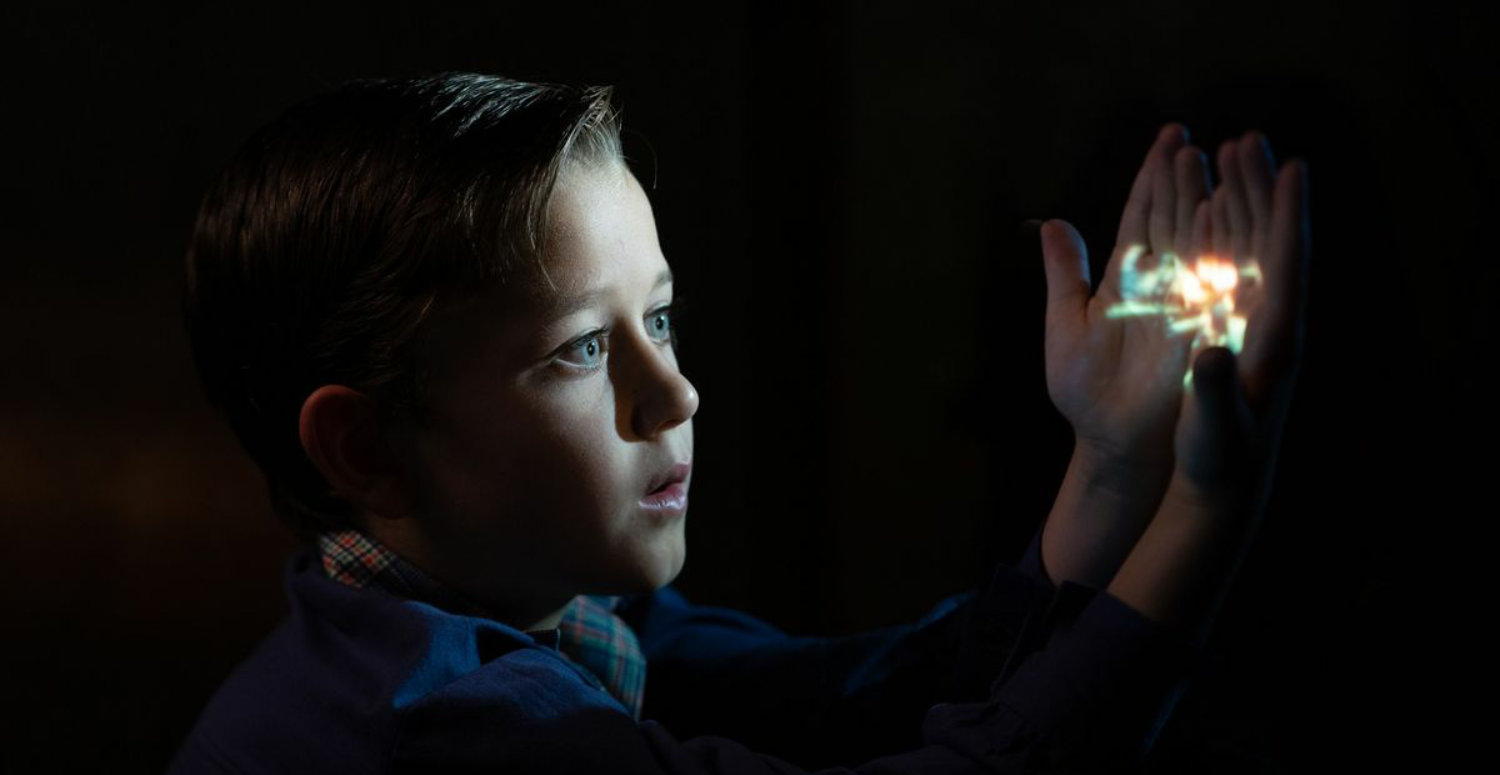
Après avoir assisté à une projection au cinéma de « The Greatest Show on Earth », le jeune Sammy Fableman est obsédé par le mécanisme de ces images qui défilent à toute vitesse. Au départ réticent à l’idée de voir comme il le dit des géants sur un écran, le petit Fableman devient alors fasciné et ne pense qu’à une chose, reproduire cette magie qui ne prend forme que dans l’obscurité de son placard.
En grandissant, Sammy perfectionne son art et se l’approprie dans une fascination inaltérable. En choisissant de conter les premières années de sa vie, Spielberg montre que le cinéma est pour lui une fabrication artistique portée par les yeux d’un enfant et que c’est bel et bien cette fascination enfantine qui nourrit inlassablement chaque séquence de son inépuisable cinéma.
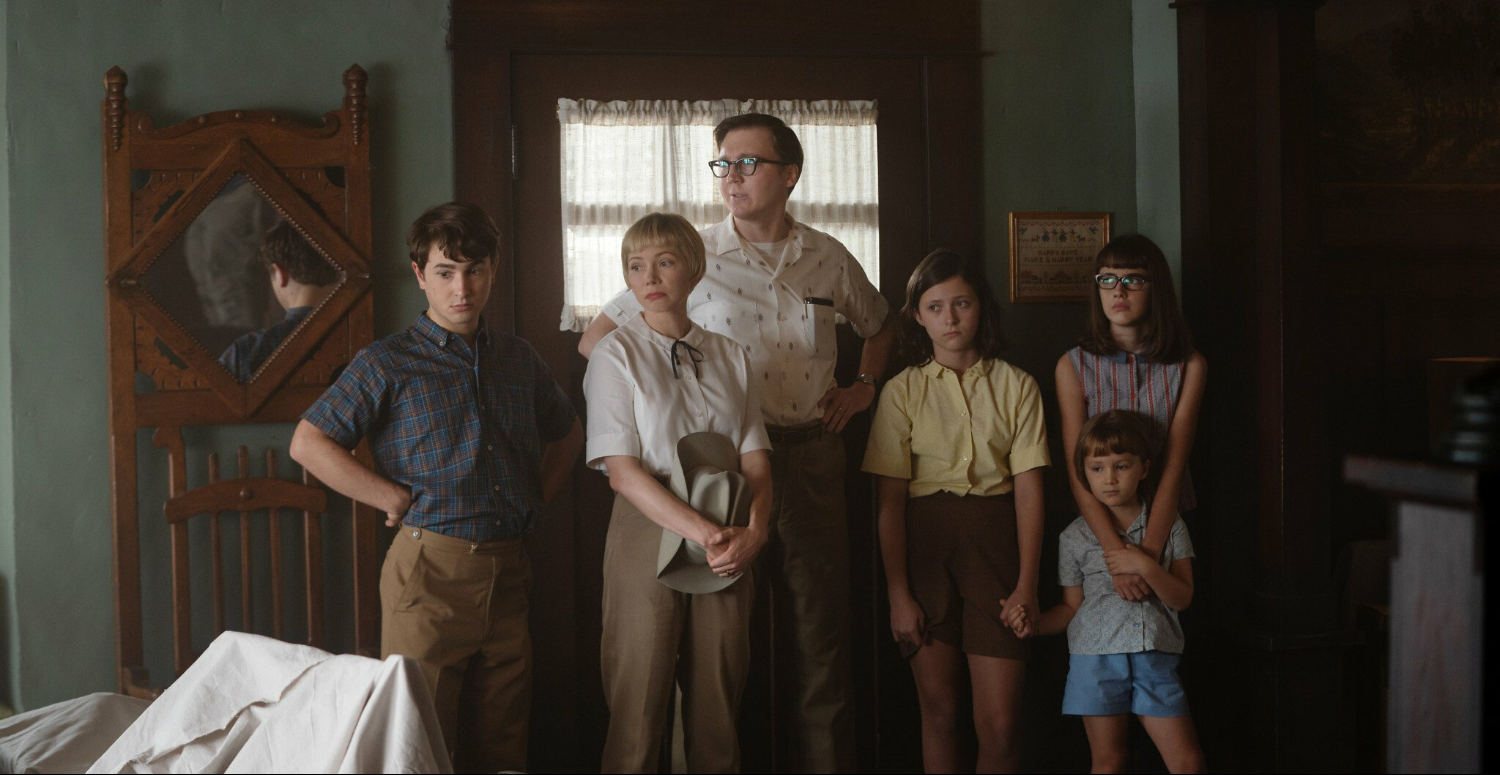
Derrière le remarquable et généreux duo que sont Michelle Williams et Paul Dano, le jeune Gabriel LaBelle se fraye une belle place et se révèle au grand public. Il incarne avec une certaine retenue et magnifique discrétion le jeune Sammy Fableman dont les aléas nourrissent une frénésie artistique.
Au-delà de son thème principal, Spielberg aborde le schéma familial, qui s’oppose systématiquement à la vision parfaite que la société américaine ne cesse de prôner et montre que c’est dans ces mécanismes défaillants que le cinéma prend vie et se nourrit de ces asymétries. À travers le prisme de sa famille et de ce qui l’entoure plus généralement, le réalisateur de « Minority Report », « E.T. » ou « Indiana Jones » nous dévoile ses inspirations les plus personnelles. Et dans cette œuvre attachante, le cinéaste américain assène avec insistance que le cinéma est une merveille, un mécanisme émotionnel rare, un mécanisme de triche et de faux semblants auquel le spectateur se plaît de croire, à la condition qu’il soit juste et puissamment habité.
Sacha Garcia

After having directed more than thirty films that shaped young and old alike, and creating a true cinematographic style, Steven Spielberg returns with “The Fablemans” to his youth and the beginnings of his passion for movie-making.
After attending a screening of “The Greatest Show on Earth” at the cinema, the young Sammy Fableman is fascinated by the mechanism of these fast-moving pictures. Initially reluctant to see giants on a screen as he says, the little Fableman becomes enthralled and can only think of one thing, to replicate this magical experience that only comes to life in the darkness of his closet.
As he grows up, Sammy perfects his art and makes it his own with an unwavering fascination. By choosing to tell the story of his early years, Spielberg shows that for him, cinema is an artistic creation through the eyes of a child and that it is indeed this childlike fascination that tirelessly feeds each sequence of his inexhaustible cinema.
Behind the remarkable and talented duo of Michelle Williams and Paul Dano, the young Gabriel LaBelle finds his place and is introduced to the audience. He plays with a certain restraint and magnificent discretion the young Sammy Fableman whose vagaries feed an artistic frenzy.
Beyond his main theme, Spielberg deals with the family pattern, which systematically clashes with the perfect vision that American society never ceases to preach, and shows that it is in these faulty mechanisms that cinema takes life and feeds on these asymmetries. Through the prism of his family and what surrounds him more generally, the director of “Minority Report”, “E.T.” or “Indiana Jones” unveils his most personal inspirations. And in this endearing work, the American filmmaker insists that cinema is a marvel, a rare emotional mechanism, a technique of cheating and false pretenses that the spectator likes to believe in, as long as it is accurate and powerfully inhabited.
Sacha Garcia