
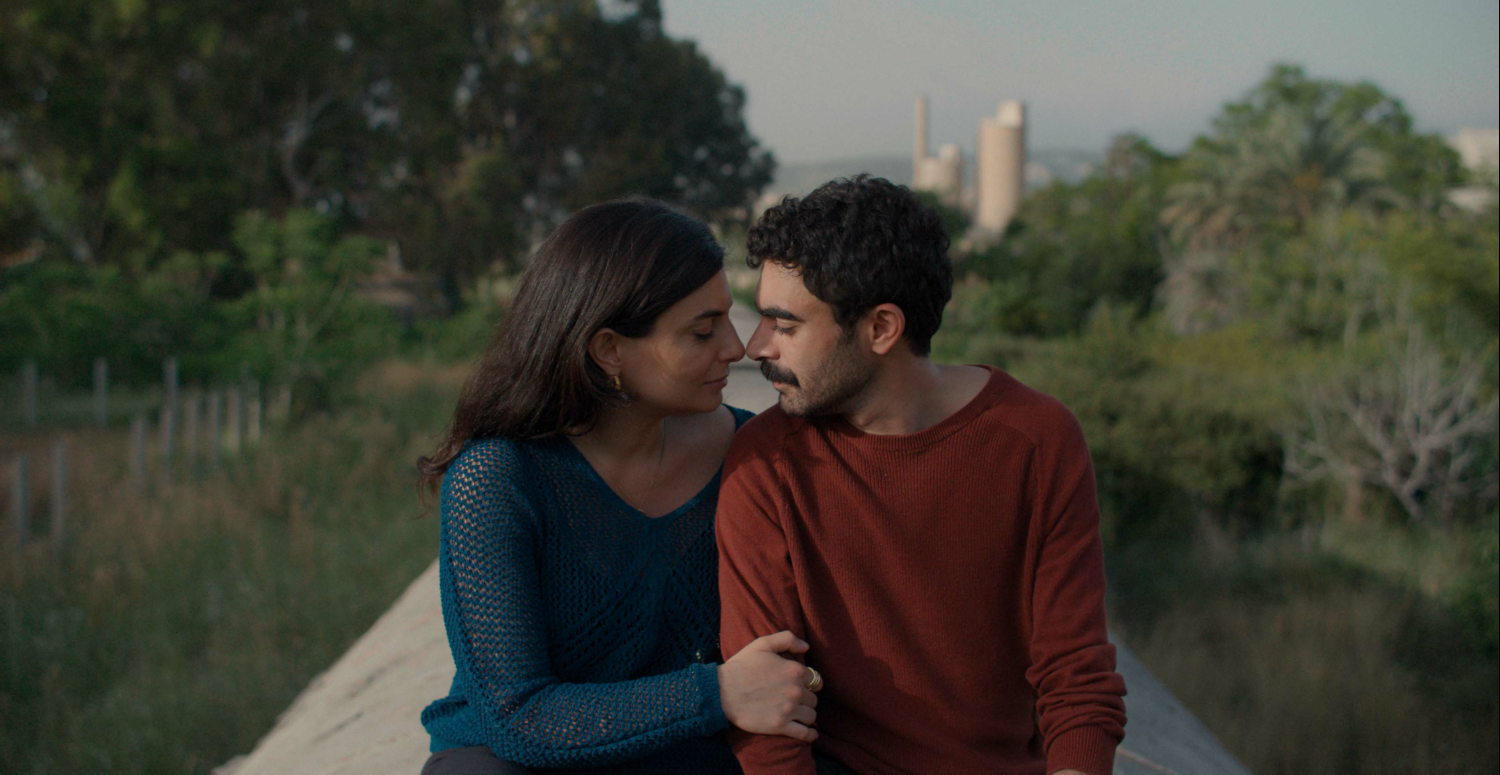
Beyrouth. Du pluriel araméen et phénicien de « bir », c’est-à-dire « puits », en référence à ses nombreuses sources souterraines. Beyrouth la multi-millénaire est ainsi un puits sans fond d’Histoire mais aussi d’histoires, au-dessus desquelles scintillent des « Étoiles d’espoir et de douleur » (en arabe, نجوم الأمل و الألم, titre original de ce film).
Et c’est à Beyrouth que se place celle du premier long-métrage de fiction du réalisateur libanais Cyril Aris. L’histoire de Nino et Yasmina – que Dieu, le destin, les coïncidences, le hasard ou le chaos (qui sait ?) unissent, désunissent et réunissent à travers les décennies. Nino, gérant d’un restaurant italo-libanais maladivement optimiste et souriant qui improvise avec les galères. Yasmina, consultante en affaires politiques et économiques terriblement pessimiste et désabusée qui désespère face à la réalité. Et pourtant, ces deux antagonistes qui parfois se perdent pour se retrouver, se complètent, et leur relation n’en devient que plus belle.
« Un monde fragile et merveilleux », c’est un film à l’image de l’ancienne Perle de l’Orient : dense, intense, plein de contradictions et d’interrogations, d’imagination et désillusion. La photographie et la mise en scène alternent ainsi constamment et fluidement entre différents registres, entre différentes distances, entre différentes couleurs, passant par exemple de plans d’ensemble grisonnants de la capitale libanaise à de gros plans chaleureux sur les visages. La réalisation se permet même quelques séquences au rythme et au format beaucoup plus saccadés, quasiment clippesques, où tout s’emballe dans une émotion indescriptible tant elle est puissante. Des jeux de lumière renversants apparaissent aussi çà et là pour appuyer des bascules. La musique y est de surcroît évidemment pour quelque chose : composée par Anthony Sahyoun, elle se veut particulièrement éclectique, combinant traditionnel et moderne, et enrichissant les scènes en transmettant des sensations diverses et variées.
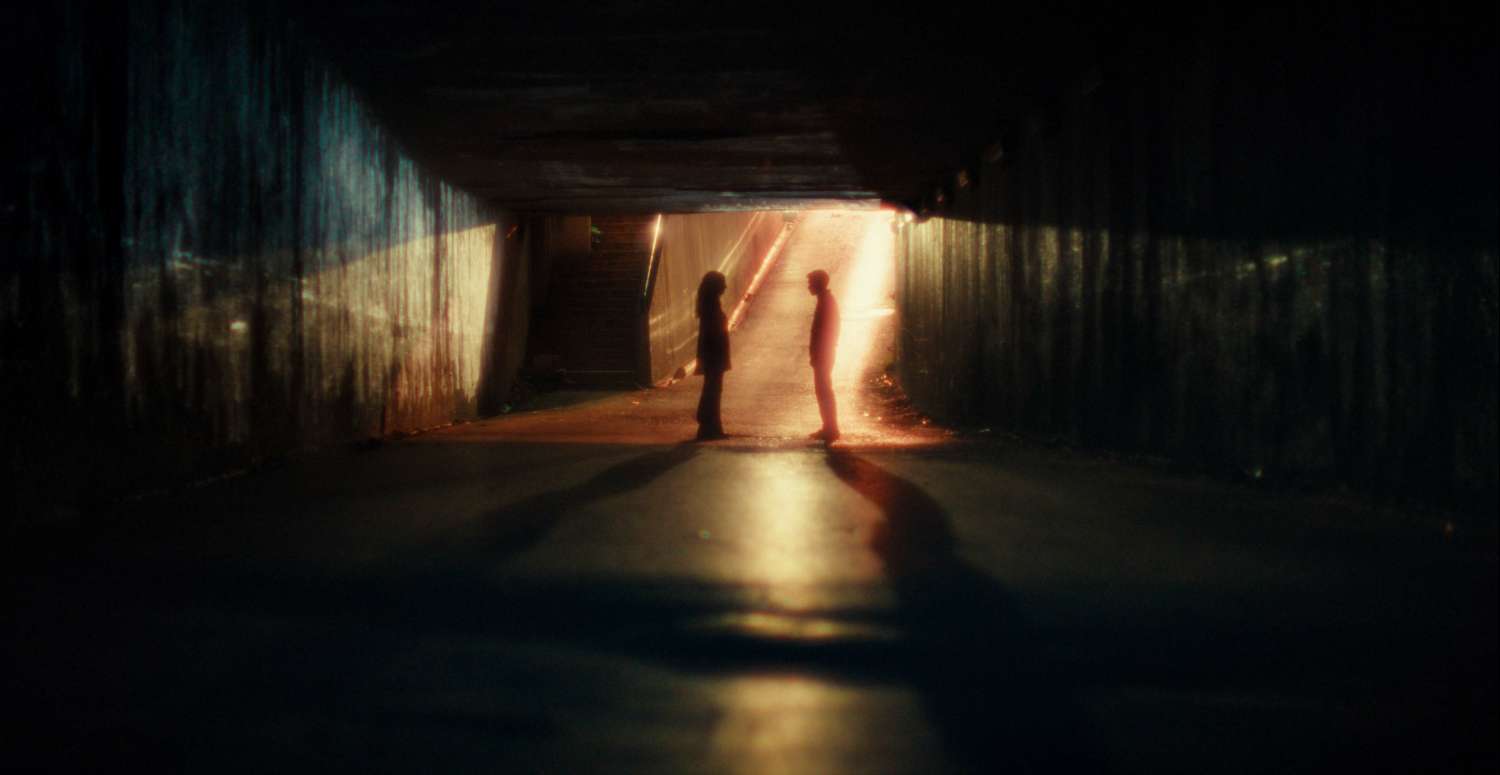
Parce que le long-métrage ne se veut ni noir ni blanc dans son propos. L’histoire est à la fois légère, rêveuse, comique et romantique, mais aussi pesante, déprimante, dramatique et tragique. Ces entremêlements et ruptures de tons sont certes portés en premier lieu par Yasmina, Nino et leurs proches, mais deux lieux réels et/ou fantasmés deviennent eux aussi des personnages à part entière. Beyrouth et ladite Île insufflent et portent en effet les stigmates d’un monde cyclique, injuste et violent que Nino comme Yasmina aiment et détestent, retrouvent et fuient selon l’état du pays et de leur moral. Il y a de fait une profonde poésie derrière le cadre que créent l’Île et Beyrouth : que ce soit dans le bonheur ou dans la noirceur, une immuable beauté se cache, même lors d’une détonation.
D’où une métaphorique, existentielle et transcendantale ambivalence qui se reflète dans le titre même de cette œuvre. Bien qu’il aborde et retranscrive des situations spécifiquement libanaises, une certaine universalité émane de ce sublime « Monde fragile et merveilleux ». Yasmina et Nino – au passage interprétés avec douceur et incandescence par Mounia Akl et Hasan Akil – forment non seulement les deux faces d’une même déchirure de l’identité nationale du Pays du Cèdre, mais incarnent aussi les tiraillements qui nous traversent toutes et tous. Sont ainsi interrogées les notions d’amour, de famille, de transmission, de traumatisme, d’exil (et d’autres encore) dans un contexte où la guerre et l’instabilité (intérieures comme extérieures) laissent régulièrement peu de place à l’effervescence joyeuse de la vie – que l’on chérit et dévore alors périodiquement.
Ce long-métrage à la fois magnifique et chagrin constitue en somme un condensé d’humanité qui, malgré nos éternelles difficultés et introspections, nous exhorte à garder espoir coûte que coûte. Beyrouth est d’ailleurs toujours debout, même après des millénaires…
Axel Chevalier
Beirut. From the Aramaic and Phoenician plural of “bir,” meaning “well,” in reference to its many underground streams. Beirut, with its history stretching back thousands of years, is thus a bottomless well of History but also of stories, above which shine the “Stars of Hope and Pain” (the original title of this film in Arabic, نجوم الأمل و الألم).
And Beirut is the setting for Lebanon director Cyril Aris’s debut feature. This is the story of Nino and Yasmina – whom God, fate, coincidence, chance, or chaos (who knows?) bring together, tear apart, and reunite over the decades. Nino, the manager of an Italian-Lebanese restaurant, is a hopelessly optimistic, smiling man who improvises his way through life’s hardships. Yasmina, a political and economic consultant, is a terribly pessimistic and disillusioned woman who despairs in the face of reality. And yet, these two opposites – who sometimes lose each other only to later find each other again – complement one another, and their relationship becomes all the more beautiful for it.
“A Sad and Beautiful World” is a film that mirrors the former Pearl of Orient: dense, intense, full of contradictions and questions, imagination and disillusionment. The cinematography and direction thus constantly and fluidly shift between different registers, different distances, and different colors, moving, for example, from grayish wide shots of the Lebanese capital to warm close-ups of faces. The direction even allows for a few sequences with a much jerkier rhythm and style, almost like music videos, where everything is swept up in an indescribable emotion so powerful it’s hard to put into words. Stunning lighting effects also appear here and there to emphasize these shifts. The music, of course, plays a significant part in this. Composed by Anthony Sahyoun, it is deliberately eclectic, blending traditional and modern elements, and enriching the scenes by conveying a diverse range of sensations.
Because the film does not present a black-and-white view of its subject matter. The story is at once lighthearted, dreamy, comical, and romantic, yet also heavy, depressing, dramatic, and tragic. While these intertwining and shifting tones are certainly driven primarily by Yasmina, Nino, and their loved ones, two real and/or imagined locations also become characters in their own right. Beirut and the so-called Island indeed breathe life into and bear the scars of a cyclical, unjust, and violent world that both Nino and Yasmina love and hate, return to and flee from depending on the state of the country and their own spirits. There is, in fact, a profound poetry behind the setting created by the Island and Beirut: whether in happiness or in darkness, an unwavering beauty lies hidden, even amidst an explosion.
This gives rise to a metaphorical, existential, and metaphysical duality that is reflected in the very title of this film. Although it addresses and portrays situations specific to Lebanon, a certain universality emerges from this magnificent “sad and beautiful world.” Yasmina and Nino – played with tenderness and intensity by Mounia Akl and Hasan Akil – not only represent the two sides of the same rift in the national identity of this unique Middle East country, but also embody the inner conflicts we all experience. Thus, the notions of love, family, transmission, trauma, exile (and others) are explored in a context where war and instability (both inside and outside the country) regularly leave little room for the joyful effervescence of life – which we then periodically cherish and devour.
This film, both beautiful and sorrowful, is ultimately a distillation of humanity that, despite our eternal struggles and introspection, urges us to hold onto hope at all costs. Beirut, after all, still stands, even after millennia…
Axel Chevalier