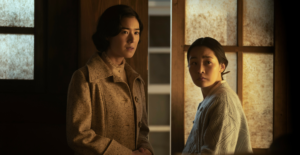
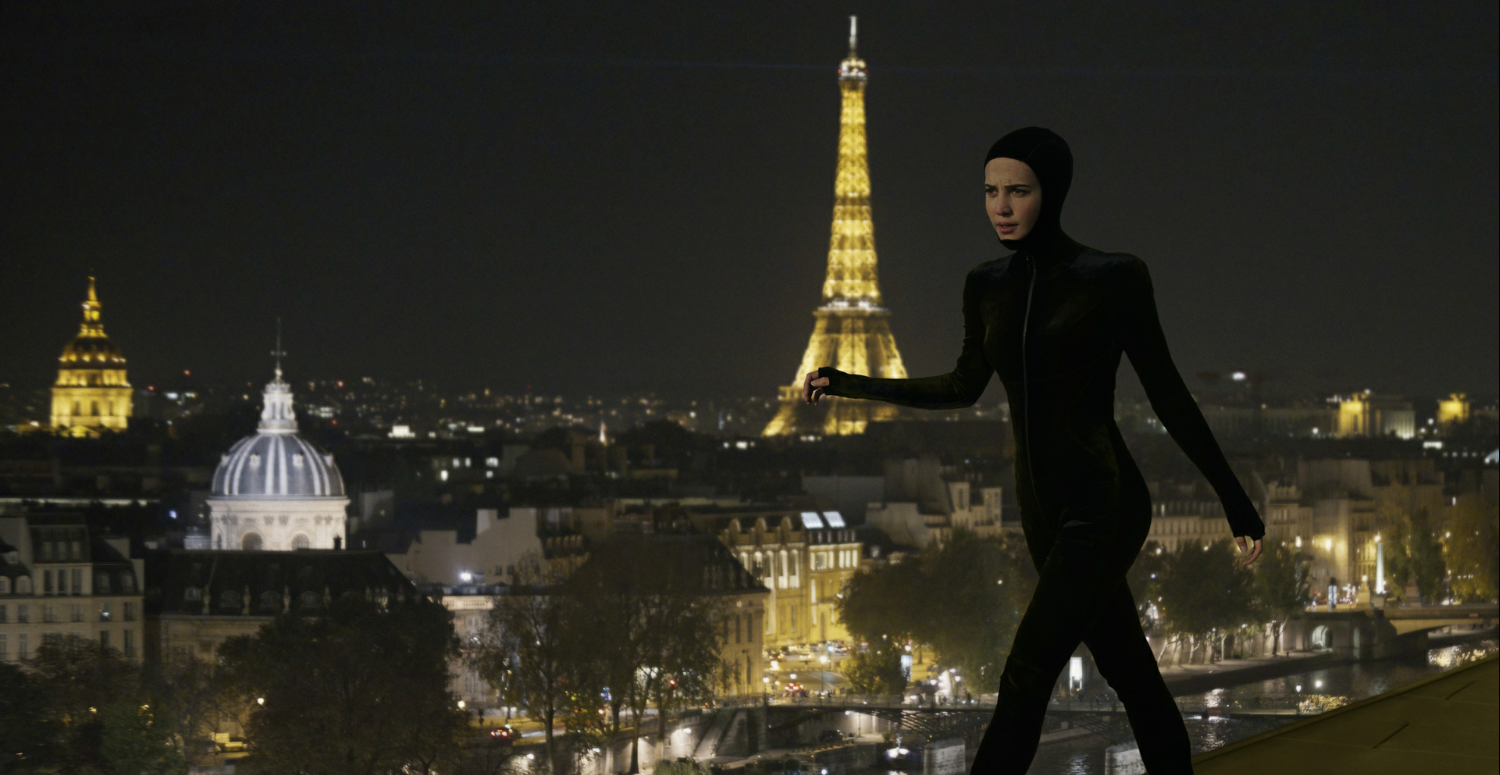
La série la plus atypique, la plus audacieuse et la plus originale de l’année, et de très loin !
Passée par Cannes et produite conjointement par HBO et A24, « Irma Vep » apparaît moins comme une simple série que comme un geste artistique pleinement assumé, presque une déclaration d’amour inquiète au cinéma. Olivier Assayas y prolonge, vingt-cinq ans plus tard, son propre film « Irma Vep » (1996), lui-même déjà relecture des « Vampires » (1915) de Louis Feuillade. Un remake d’un remake, donc, mais surtout une mise en abyme vertigineuse où chaque couche de fiction dialogue avec les précédentes, jusqu’à en faire surgir les fantômes.
Assayas transpose son dispositif dans un format sériel qui lui permet d’étirer, de fragmenter et de contaminer les niveaux de récit. On y suit Mira, star internationale incarnée par une Alicia Vikander magnétique, venue en France pour tourner une nouvelle adaptation des « Vampires ». Très vite, la série se déploie comme un film sur une actrice, sur un film en train de se faire, sur le cinéma en tant que langage et en tant qu’art menacé. Les langues s’entremêlent (français, anglais, parfois sans transition), les formats aussi : images restaurées de Feuillade, extraits du « Irma Vep » de 1996, scènes du tournage fictif, making-of intégré à la fiction, noir et blanc, couleurs funèbres ou presque spectrales. La série joue avec les images, les sons, le muet, les silences, comme pour rappeler que le cinéma est avant tout une matière vivante, instable, traversée par l’histoire.
Ce vertige formel n’est jamais gratuit. Il accompagne une réflexion caustique, parfois satirique, souvent auto-critique, sur l’industrie du cinéma contemporain : la standardisation des récits, l’obsession des franchises, la peur du risque, les contraintes assurantielles, la difficulté même de faire exister un projet singulier. Assayas ne se moque pas du système qu’il observe ; il l’ausculte avec une lucidité désenchantée mais toujours animée par un profond attachement à l’art. « Irma Vep » plaide ainsi sa propre cause, et au-delà, celle d’un cinéma libre, fragile, constamment menacé de disparition.
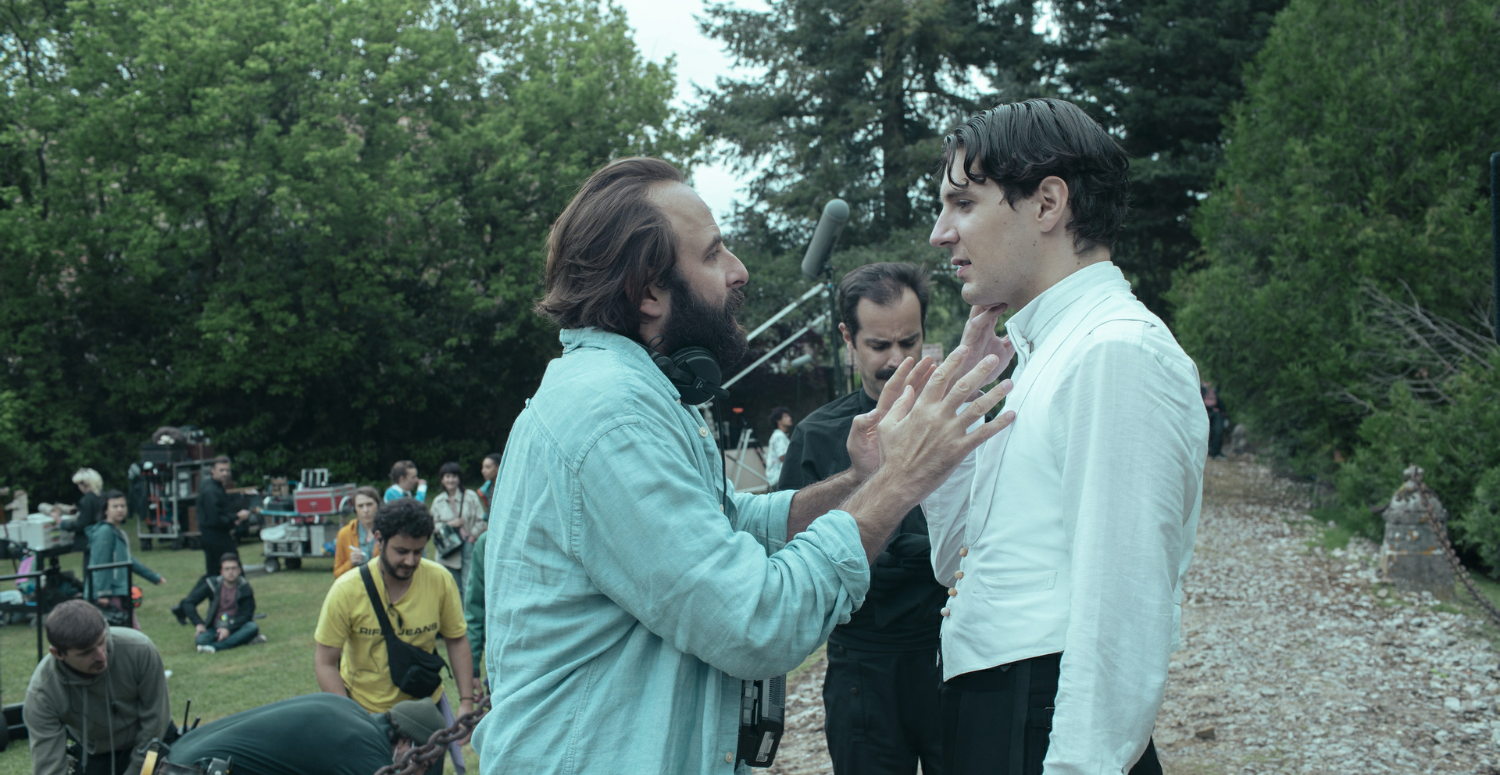
La série est aussi traversée par une dimension plus trouble, presque fantastique. Les passages à travers les murs, la figure vampirique d’Irma, la sensation que les personnages sont hantés par des récits passés confèrent à l’ensemble une atmosphère étrange, parfois déroutante, mais cohérente dans sa logique spectrale. Les fantômes du cinéma, des rôles, des identités se croisent dans un Paris devenu carrefour culturel et mémoriel. La question de l’appropriation, de l’identité (Irma Vep, personnage historiquement asiatique, incarnée ici par une actrice suédoise) est même discutée frontalement, la série se permettant de se contredire, de se questionner elle-même, sans jamais chercher une réponse définitive.
Au cœur de ce labyrinthe, Alicia Vikander crève littéralement l’écran. Assayas lui offre un espace de jeu rare, la laissant interpréter son personnage à travers plusieurs strates, plusieurs chronologies, plusieurs cadres. Mira se confond peu à peu avec Irma – son nom en anagramme, annonçant cette fusion progressive – jusqu’à une renaissance intime. Autour d’elle, Vincent Macaigne, en réalisateur névrosé de la série dans la série, finit par apparaître comme un double évident d’Assayas, rendant la démarche étonnamment personnelle, presque confessionnelle. Sans oublier un riche casting secondaire composé de Lars Eidinger, Adria Arjona, Devon Ross, Jeanne Balibar, Vincent Lacoste et Nora Hamzawi notamment, dans des rôles étonnants voire inhabituels pour certains.
Dense, parfois exigeante, « Irma Vep » n’a sans doute pas la dimension addictive attendue des séries contemporaines. Mais elle compense largement par son audace, sa liberté et sa capacité à se réinventer sans cesse. Drôle, émouvante, méta, visuellement sublime, à la fois légère et profondément réflexive, elle s’impose comme l’une des œuvres sérielles les plus originales du moment. Un véritable régal pour les cinéphiles, et une extension fascinante de l’un des gestes les plus singuliers d’Olivier Assayas.
By far the most atypical, daring, and original series of the year!
Screened at Cannes and co-produced by HBO and A24, “Irma Vep” is less a simple series than a fully-fledged artistic statement, almost a troubled declaration of love for cinema. Twenty-five years later, Olivier Assayas follows up on his own film “Irma Vep” (1996), which was itself a reinterpretation of Louis Feuillade’s “Les Vampires” (1915). A remake of a remake, then, but above all a dizzying mise en abyme in which each layer of fiction interacts with the previous ones, until ghosts emerge.
Assayas adapts his concept to a serial format, allowing him to stretch, fragment, and blur the narrative layers. We follow Mira, an international star played by the magnetic Alicia Vikander, who has come to France to shoot a new adaptation of “Les Vampires”. Very quickly, the series unfolds like a film about an actress, about a film in the making, about cinema as a language and as an endangered art form. Languages intermingle (French, English, sometimes with no transition), as do formats: restored images by Feuillade, excerpts from the 1996 film “Irma Vep”, scenes from the fictional shoot, a making-of integrated into the fiction, black and white, funereal or almost spectral colors. The series plays with frames, aspect ratios, sounds, silence, and pauses, as if to remind us that cinema is above all a living, unstable medium, steeped in history.
This stylistic vertigo is never pointless. It supports a sharp, sometimes satirical, often self-critical reflection on the contemporary movie industry: the standardization of stories, the obsession with franchises, the fear of risk, insurance constraints, and the sheer difficulty of bringing a unique project to life. Assayas does not mock the system he observes; he examines it with disenchanted lucidity, but always driven by a deep attachment to art. “Irma Vep” thus pleads its own cause, and beyond that, that of a free, fragile cinema that is constantly threatened with extinction.
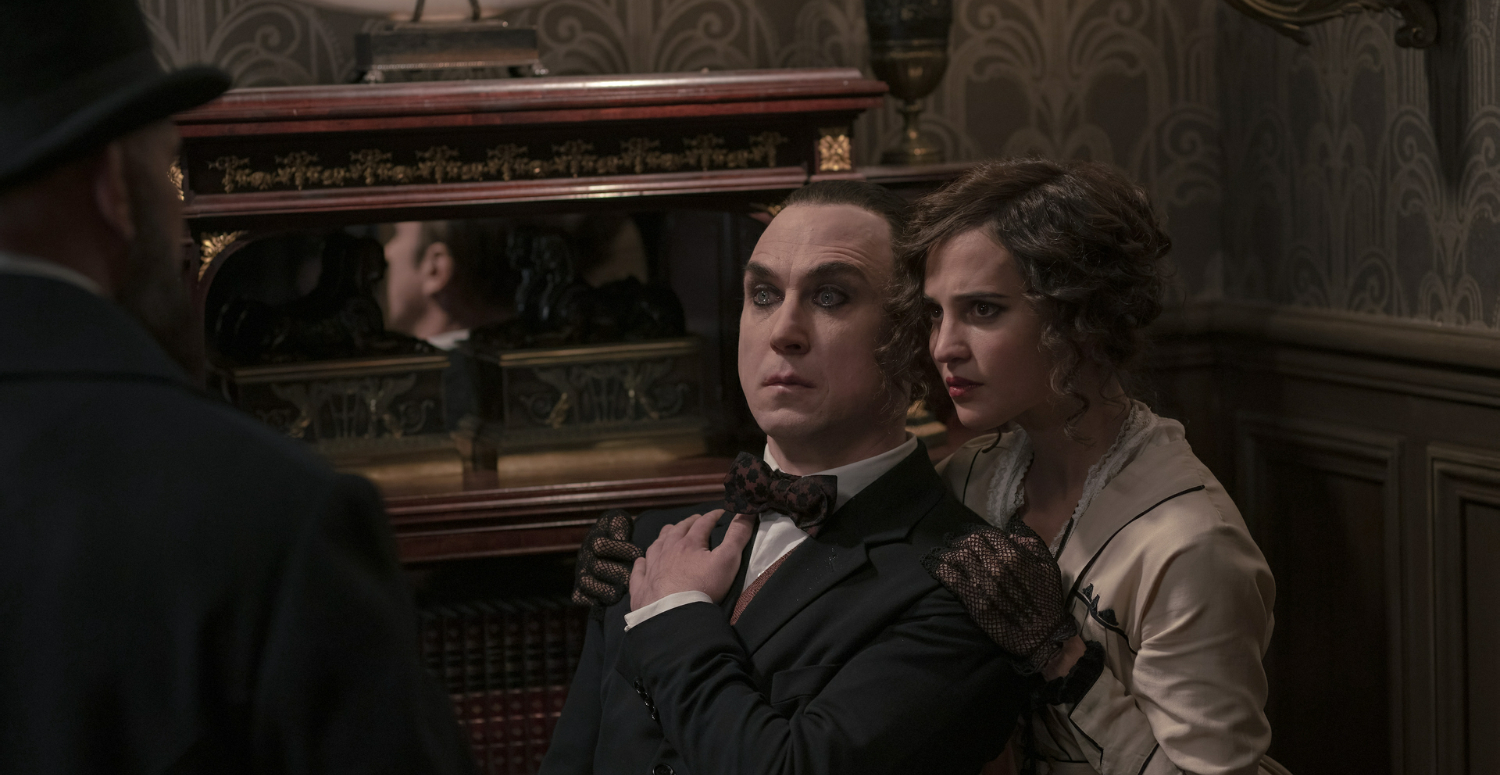
The series is also imbued with a more troubling, almost fantastical dimension. Characters passing through walls, the vampiric figure of Irma, and the feeling that the characters are haunted by past stories give the whole thing a strange, sometimes disconcerting feel, but one that is consistent in its spectral nature. The ghosts of cinema, roles, and identities intersect in a Paris that has become a cultural and memorial crossroads. The question of appropriation and identity (Irma Vep, a historically Asian character, played here by a Swedish actress) is even discussed head-on, with the series allowing itself to contradict and question itself without ever seeking a definitive answer.
At the heart of this puzzle, Alicia Vikander is absolutely outstanding. Assayas gives her a rare opportunity to play with her character across multiple layers, timelines, and settings. Mira gradually merges with Irma – her name spelled backwards, hinting at this gradual fusion – until she experiences an intimate rebirth. Around her, Vincent Macaigne, as the neurotic director of the series within the series, ends up appearing as an obvious double of Assayas, making the approach surprisingly personal, almost confessional. Not to mention a very strong supporting cast with Lars Eidinger, Adria Arjona, Devon Ross, Jeanne Balibar, Vincent Lacoste et Nora Hamzawi in surprising, even unusual roles.
Dense and sometimes demanding, “Irma Vep” may not have the addiction factor expected of modern TV shows. But it more than makes up for this with its audacity, its freedom, and its ability to constantly reinvent itself. Funny, moving, meta, visually exquisite, both lighthearted and deeply reflective, it stands out as one of the most original series of the moment. This is a real delight for film buffs and a fascinating extension of one of Olivier Assayas’ most unique works.