
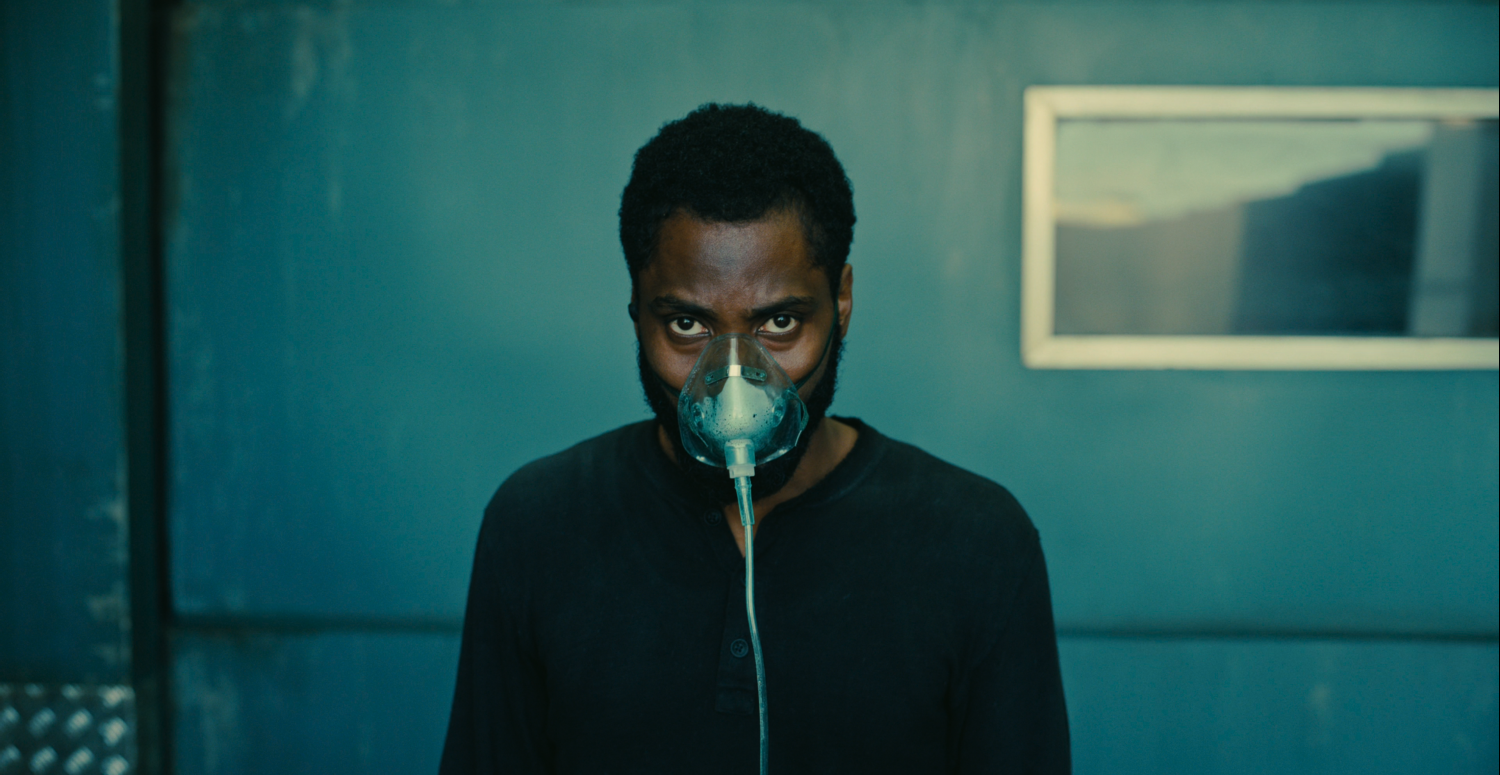
Un James Bond temporel !
C’est, à mon sens, la meilleure description possible du nouveau film de Christopher Nolan intitulé « Tenet » et sorti en France malgré un contexte mondial compliqué l’empêchant de sortir aux USA ou en Chine.
Si Warner Bros. devra potentiellement faire face à un gouffre financier si le film ne rapporte pas, Nolan devra quant à lui faire face aux critiques de la presse et des spectateurs qui se plaignent d’un trop-plein de complexité dans son dernier thriller qui nécessiterait pour certains quatre visionnages ou un master de physique pour d’autres.
Le film introduit un concept intéressant que Nolan cherche à développer dans de nombreux détails : l’inversion. Certains objets sont donc inversés, puis des humains et enfin des notions physiques comme le mouvement ou la chaleur. Ce qui paraît logique sur le papier, rend certaines scènes particulièrement étonnantes et originales à regarder. Cependant, d’autres sont pour le coup trop remplies de diverses inversions. C’est notamment le cas du combat final, qui ne nécessite pas deux grandes armées, ne faisant que compliquer la bataille visuellement. Certes, c’est le but, les personnages sont aussi confus que le public, mais cette bataille va un peu trop loin.
Quant au reste du film, il est parfois très rapide dans ses enchaînements de scènes (malgré ses 2h30) bien que le scénario soit globalement très bien construit. On retrouve ce jeu sur le temps si cher au réalisateur de « Memento », « Interstellar » et « Dunkerque » dans une chronologie qui est ici linéaire, mais où tous les personnages ne suivent cependant pas la même. Pas d’inquiétude, la fin viendra clarifier la situation. Et c’est ce jeu sur la chronologie qui fait de « Tenet » un thriller mystérieux car l’intrigue en elle-même n’est pas si compliquée mais la progression inversée des personnages ou l’aspect dual de certaines scènes vues sous plusieurs angles dans le temps, créent des énigmes et du suspense.
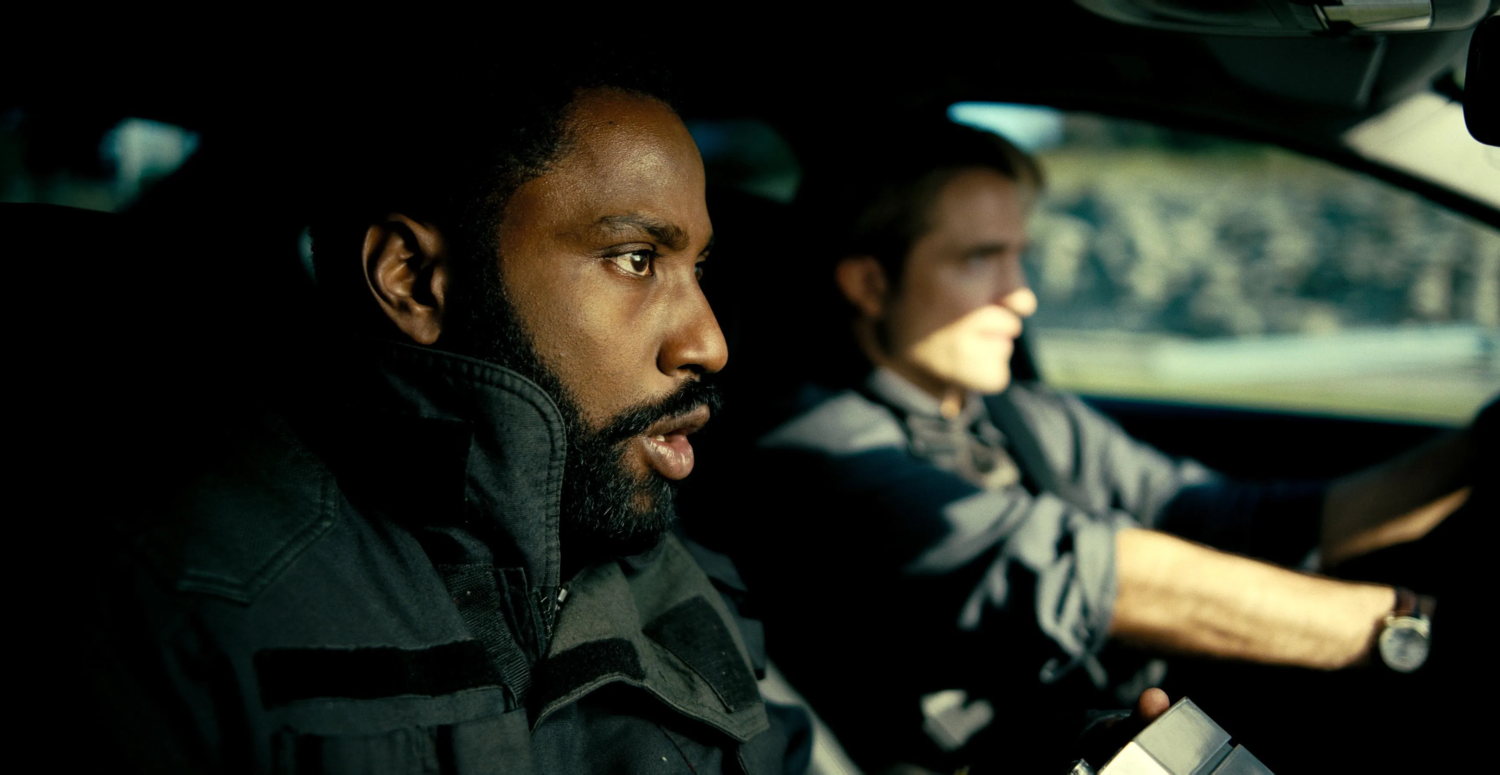
La structure de « Tenet » est quant à elle, très similaire à celle de « Inception », mais l’intrigue et sa progression ne se situent cette fois pas dans des rêves imbriqués. L’enjeu n’est pas ici une idée, mais le futur, le monde entier, notre génération. Le fait que l’ennemi du film joué par Kenneth Branagh agisse au nom du futur n’éclaire pas ses intentions et la menace des générations futures n’est donc jamais véritablement définie.
Enfin l’atmosphère du film est globalement assez froide, ce qui est volontaire et en grande partie due à l’absence de rapprochement qu’on peut avoir avec les héros, ne sachant rien sur eux pas même le nom du protagoniste. Le film repose donc beaucoup sur son excellente B.O. de tension composée par Ludwig Göransson et sur son casting irréprochable, avec Robert Pattinson et Elizabeth Debicki aux côtés de John David Washington l’espion noir américain sur qui le sort de notre génération entière dépend !
En somme, c’est un gros film d’action, aux nombreux retournements temporels qui en surprendra plus d’un. Un très bon thriller, un bon Nolan, mais pas un chef-d’œuvre !
Raphaël Sallenave