
Plus Fort Que Moi
I Swear
Best Lead Actor – BAFTA
Best Casting – BAFTA
Rising Star – BAFTA
Best Lead Performance – BIFA
Best Casting – BIFA
2025/2026
FR EN
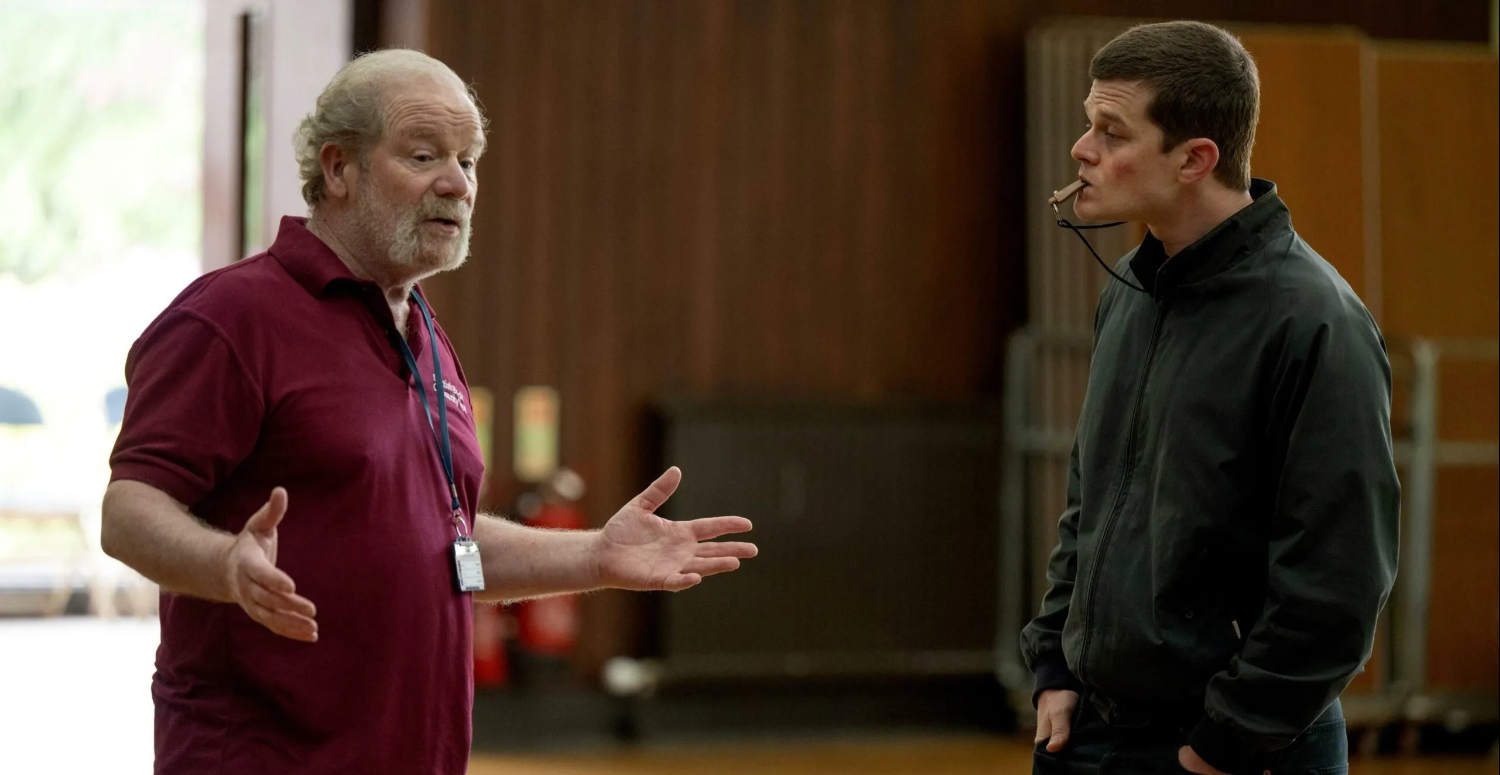
C’est l’histoire vraie d’un adolescent de la classe moyenne du sud de l’Écosse des années 1980 à 2000 atteint du Syndrome de la Tourette. Cette maladie neurologique caractérisée par des tics moteurs et vocaux (insultes incontrôlées, gestes brusques, parole sans filtre) font de lui une cible constante de moqueries, d’exclusion et d’incompréhension dans une société qui ignore tout de sa condition – car plus encore que la maladie elle-même, son principal problème social réside dans la méconnaissance généralisée de ce trouble. Après une scolarité chaotique peu à peu exclu, une rencontre puis une autre – non sans galères et accrochages en chemin – vont le propulser sur un véritable parcours de résilience et d’autonomisation apprenant à se faire accepter et à s’accepter lui-même pour ensuite partager son expérience et aider autour de lui.
Dans la veine de films tels que « La Famille Bélier » ou « CODA », ce « Plus fort que moi » (au titre original à double-sens « I Swear ») s’impose comme une comédie sociale euphorisante qui réussit à distiller de l’humour sur un sujet grave et important, tout en restant à la fois léger, positif et émouvant. Le film de Kirk Jones parvient à faire rire – parfois à l’inconfort – sans jamais trahir son protagoniste dans un savoureux équilibre entre humour, tension et empathie. La performance physique et habitée de Robert Aramayo (Les Anneaux de Pouvoirs) impressionne et porte un film qui lui a valu de remporter un BAFTA au nez et à la barbe moustache de Leonardo DiCaprio et Timothée Chalamet ! Derrière sa mise en scène très classique et sa structure chronologique, le film touche juste, devenant à la fois un outil de sensibilisation et une belle ode à la tolérance.
Raphaël Sallenave
This is the true story of a middle-class teenager from southern Scotland in the 1980s through the 2000s who has Tourette syndrome. This neurological condition, characterized by motor and vocal tics (uncontrolled outbursts, sudden movements, unfiltered speech), makes him a constant target of mockery, exclusion, and misunderstanding in a society that knows nothing about his condition – for even more than the disorder itself, his main social problem lies in the widespread ignorance of this disorder. After a chaotic school experience, gradually becoming isolated, one encounter after another – not without struggles and setbacks along the way – will propel him on a true journey of resilience and empowerment, learning to be accepted and to accept himself, so that he can then share his experience and help those around him.
Along the lines of films such as “CODA,” “I Swear” stands out as an uplifting social comedy that manages to infuse humor into a serious and important subject matter, while remaining lighthearted, positive, and moving. Kirk Jones’s film manages to make you laugh – sometimes uncomfortably – without ever betraying its protagonist, striking a delightful balance between humor, tension, and empathy. Robert Aramayo’s (The Rings of Power) physical and deeply committed performance is impressive and carries a film that earned him a BAFTA, winning out over Leonardo DiCaprio and Timothée Chalamet! Behind its very conventional direction and chronological structure, the film strikes the right tone, combining awareness-raising with a beautiful ode to tolerance.
Raphaël Sallenave